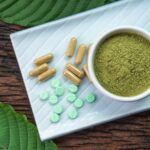
Kratom (Mitragyna speciosa) is a tropical tree native to Southeast Asia that has been used for centuries as a natural remedy for a variety of ailments. It’s recently become popular in the Western world for its purported ability to relieve pain, reduce stress, and improve mood. Many people report feeling a sense of relaxation and mental clarity when taking kratom. Depending on the strain and dosage, the effects of kratom can range from subtle to intense, making it a popular choice for those looking to boost their mood and energy levels. In this article, we will discuss what taking kratom feels like, the potential benefits and risks associated with it, and the best ways to take it.
Exploring the Effects of Kratom: What Taking Kratom Feels Like
Kratom, also known as Mitragyna Speciosa, is a tropical evergreen tree in the coffee family native to Southeast Asia. It is becoming increasingly popular as a dietary supplement due to its potential to provide a range of health benefits. However, it is important to understand the effects of taking kratom, so individuals can make an informed decision when considering adding it to their diet.
The effects of kratom vary depending on the strain and dosage. Generally, kratom can provide a mild stimulant effect when taken in lower doses and a sedative effect when taken in higher doses. At low doses, users may experience an uplift in mood, increased energy and alertness, and even a decrease in pain and stress. At higher doses, users are likely to experience a euphoric feeling, relaxation, and even sedation.
Kratom may also have some more generalized effects on the body. It is believed to interact with the body’s opioid receptors, which may help to reduce anxiety, depression, and even opioid withdrawal symptoms. Additionally, it may have an anti-inflammatory effect, which could help to reduce joint and muscle pain.
When taken responsibly, kratom can provide a range of positive effects. However, it is important to be mindful of the potential risks associated with taking kratom. It is possible to experience side effects such as nausea, vomiting, and constipation, and even lead to addiction if taken in high doses. As with any supplement, it is important to research the potential risks and benefits and consult with a doctor before taking kratom.
Overall, kratom can provide a range of positive effects when taken responsibly. It is important to understand the potential risks associated with taking kratom before incorporating it into your diet, so you can make an informed decision. With the right information and guidance, kratom can be an effective tool that may help to improve overall health and well-being.
What You Need to Know About Kratom and Its Effects on the Brain and Body
Kratom, scientifically known as Mitragyna speciosa, is a tropical evergreen tree that grows in Southeast Asia and is native to Thailand, Malaysia, Indonesia, and Papua New Guinea. Kratom has been used in traditional medicine for centuries and is becoming increasingly popular in the United States as an herbal supplement. It is available in a variety of forms and can be consumed in different ways, including capsules, tablets, powder, and tea.
Kratom contains alkaloids that interact with opioid receptors in the brain and body, producing a range of effects. In low doses, it is reported to act as a stimulant, providing increased energy and focus. In higher doses, it acts as a sedative and may produce feelings of relaxation and euphoria. Kratom can also produce a range of side effects, including dizziness, nausea, vomiting, constipation, and dry mouth.
Kratom has been studied for its potential therapeutic effects, including its ability to reduce pain, improve mood, and increase energy. However, more research is needed to fully understand the effects of kratom on the brain and body. There are also concerns about the potential for addiction and abuse of kratom.
The US Food and Drug Administration (FDA) has not approved kratom for any medical use. Additionally, the FDA has issued warnings about the safety and efficacy of kratom products and has advised consumers to avoid using them.
Kratom use may be associated with both positive and negative effects. It is important to consult a healthcare provider before taking kratom or any other supplement or herbal remedy. Additionally, it is important to only purchase kratom from reliable sources and to follow recommended dosage guidelines.
Is Kratom similar to coffee?
In recent years, two substances have risen to the forefront of alternative health options – kratom and coffee. Both provide various benefits, and it can be difficult to discern which one is the better choice for individual needs. To make an informed decision, it is important to understand the potential health benefits of both kratom and coffee.
Kratom, a tropical tree native to Southeast Asia, has been used for centuries for its medicinal properties. It contains alkaloids that can help with inflammation, pain relief, and relaxation and can also be used as a stimulant or sedative, depending on the dose. Studies have also shown that kratom can reduce anxiety and depression, improve sleep quality, and help with opioid withdrawal.
Coffee, on the other hand, is a widely consumed energy booster. Not only does it provide a quick jolt of energy, but it is also packed with antioxidants and other beneficial compounds that can help improve overall health. Coffee has been linked to a lower risk of various diseases, including type 2 diabetes, heart disease, and certain types of cancer. Additionally, it can boost cognitive performance, reduce stress and depression, and even increase lifespan.
When it comes to choosing between kratom and coffee, it really depends on individual needs. For those looking for energy and mental clarity, coffee is the best option. Those seeking pain and anxiety relief should consider kratom. Ultimately, it is important to consult a doctor before trying either substance to ensure it is the best option for one’s health.
Comparing the Effects of Kratom and Coffee on Energy Levels
The effects of kratom and coffee on energy levels have been extensively studied, and while both substances can provide a temporary energy boost, they do so in different ways. Kratom is derived from the leaves of a tropical tree native to Southeast Asia and has been used for centuries as a traditional remedy for a variety of ailments. Coffee is derived from roasted beans of the coffee plant and has been a popular source of caffeine for centuries. This article will explore the differences between the two substances and how they affect energy levels.
Kratom works by stimulating the central nervous system and releasing hormones, such as dopamine and serotonin, which can lead to an improvement in energy levels. It can also increase alertness and mood, and some users report feeling relaxed after taking it. However, these effects can vary from person to person, and some users may experience nausea, headaches, or other side effects.
Coffee, on the other hand, contains caffeine, which is a stimulant that can increase alertness and energy levels. Caffeine can also improve cognitive performance. However, excessive consumption of caffeine can lead to jitteriness, difficulty sleeping, and other side effects.
In conclusion, both kratom and coffee can have positive effects on energy levels. However, the effects vary from person to person, and it is important to consider any potential risks before taking either substance. Additionally, it is important to remember that moderation is key when it comes to both kratom and coffee.
Conclusion
Taking Kratom feels like a mild stimulant, providing a boost in energy, focus, and alertness. It can also bring feelings of relaxation, ease tension, and provide a sense of overall well-being. Kratom should be taken with caution, however, as its effects can vary from person to person, and some people may experience unwanted side effects. As always, it is important to consult with a medical professional before beginning any new supplement regimen.
What Does Kratom Feel Like? Onset Timelines, Sensory Phases, and Strains
Curious beginners asking what does kratom feel like discover a biphasic sensory journey: low doses (1.5–3g) produce a clean, alert caffeine-like boost and elevated sociability, while moderate-to-high doses (3–6g) deliver soothing bodily warmth, tranquil muscle release, and calm contentment within 20 to 30 minutes.
For anyone considering botanical tea for the first time, understanding what does kratom feel like eliminates apprehension. The physical and emotional sensations vary significantly depending on serving size, vein color, and stomach fullness. Examining each sensory stage ensures a comfortable, predictable experience.
Sensory Progression Matrix: Dosage Tiers vs. Physical and Mental Sensations
The sensory evolution across dosage thresholds is detailed in the matrix below:
| Serving Tier & Vein | Early Onset Sensations (15 – 30 min) | Peak Plateau Effects (45 – 120 min) | Subtle Offset Phase (2 – 4 hrs) |
|---|---|---|---|
| Low Dose (1.5 – 2.5g) White / Green Vein | Gentle mental clarity, increased motivation, brightened mood | Focused productivity, smooth verbal fluency, light physical energy | Clean return to baseline without an abrupt crash or jittery fatigue |
| Moderate Dose (3.0 – 4.5g) Green / Red Vein | Warm somatic sensation spreading through shoulders and chest | Deep muscular tranquility, soothing physical comfort, calm optimism | Relaxed contentment, steady mood stabilization, mild drowsiness |
| High Dose (5.0 – 6.5g) Red Vein | Heavy limb relaxation, pronounced physical heaviness | Powerful somatic stillness, stress relief, delta-wave sleep readiness | Deep restorative sleep or prolonged tranquil relaxation |
Tips for achieving the most pleasant first experience:
- Start on an Empty Stomach with Low Doses: Consume 1.5 to 2.0 grams with warm water or citrus juice; having an empty stomach ensures smooth, predictable absorption.
- Hydrate with Electrolytes: Botanical plant powder absorbs internal moisture; drinking 16 to 24 ounces of water prevents dry mouth and mild headaches.
- Avoid Rapid Redosing: Wait at least 60 to 90 minutes before considering an extra half-gram to evaluate how your metabolism processes the alkaloids.
For more detailed timing parameters, check our guide on How Long Does Kratom Take to Kick In? Complete Timeline.
Get our latest guides, news, and insights highlighted in your Google Search & AI Overviews.