✨ This article was AI edited. Editorial responsibility: WhatIsKratom.net.
Produced with AI. This article was artificially generated. Editorial responsibility: WhatIsKratom.net.
Mysterious web search terms like “kratopdotcom99” represent common typo-squatted domains, bot scrape URLs, or fraudulent phishing portals designed to intercept consumers seeking legitimate online kratom vendors. To ensure personal cybersecurity and product purity, buyers must verify SSL encryption, demand third-party Certificates of Analysis (CoAs), and exclusively purchase through audited American Kratom Association (AKA) GMP-compliant merchants.
Every day, internet search query analytics reveal unusual alphanumeric strings like “kratopdotcom99”, misspelled brand names, and spoofed URLs. As online commerce in botanical wellness expands, bad actors regularly create deceptive landing pages, typosquatting domains, and fraudulent web shops engineered to siphon payment card credentials or sell untested, adulterated plant powders.
In this essential consumer cybersecurity and botanical safety guide, we deconstruct how online scam domains operate, explain the dangers of typo-squatted botanical websites, and provide a 7-point safety protocol to guarantee safe, authentic online purchasing.
What Are Typosquatting and Phantom Search Queries?
The appearance of queries like “kratopdotcom99” reflects a common phenomenon known in cybersecurity as typosquatting (URL hijacking) combined with search engine scrapers:
- Typo Traps: Fraudulent networks register domains that are one character away from legitimate botanical brands (e.g., swapping a ‘m’ for a ‘p’ on QWERTY keyboards where the letters sit nearby).
- Auto-Generated Affiliate Portals: Botnets spin up thousands of subdomains (often appending numbers like ’99’ or ’24’) that automatically redirect visitors through malicious pop-ups or unvetted overseas dropshippers.
- Phishing Checkout Gateways: Fake storefronts replicate the visual theme of well-known kratom distributors to capture debit card numbers, billing addresses, and personal identification data.
For an overview of how to verify reputable suppliers, explore our definitive guide to The Best Kratom Sellers: Certified Vendor Vetting.
The Critical Risks of Buying from Unverified Online Domains
Purchasing botanical products from unvetted or spoofed web addresses introduces severe financial and health risks:
| Risk Category | Mechanism of Attack | Consequences for the Consumer |
|---|---|---|
| Payment Credential Theft | Unencrypted checkout forms lacking TLS/SSL encryption | Unauthorized fraudulent charges and banking identity theft |
| Heavy Metal Toxicity | Unscreened bulk plant matter sourced from polluted soil | Dangerous bioaccumulation of lead, cadmium, or arsenic |
| Biological Pathogens | Unpasteurized raw leaves processed in unhygienic facilities | Severe food poisoning from Salmonella or E. coli bacteria |
| Counterfeit / Adulteration | Synthetic research opioids added to mimic potency | Acute overdose risk and unpredictable receptor toxicity |
To understand the biological mechanisms of pure alkaloids, consult our guide on Is Kratom an Opioid? Receptor Binding and Scientific Realities.
The 7-Point Safe Online Shopping Checklist
Before entering payment information on any botanical website, verify that the merchant passes these seven strict security and purity benchmarks:
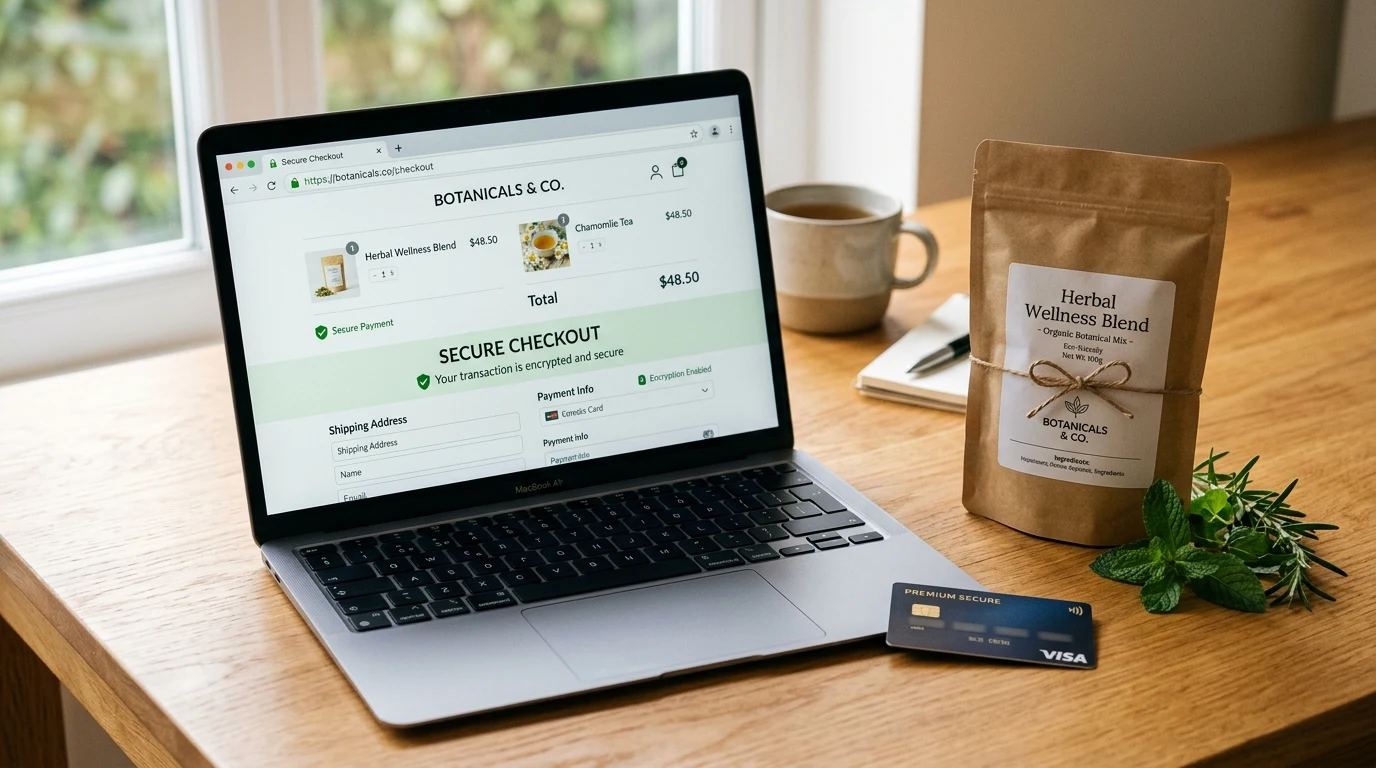
- Verify the URL & HTTPS Lock: Ensure the domain address is spelled correctly and displays a valid TLS certificate (https://) with zero browser security warnings.
- AKA GMP Qualified Certification: Confirm that the merchant is officially recognized on the American Kratom Association’s public directory of audited Good Manufacturing Practice vendors.
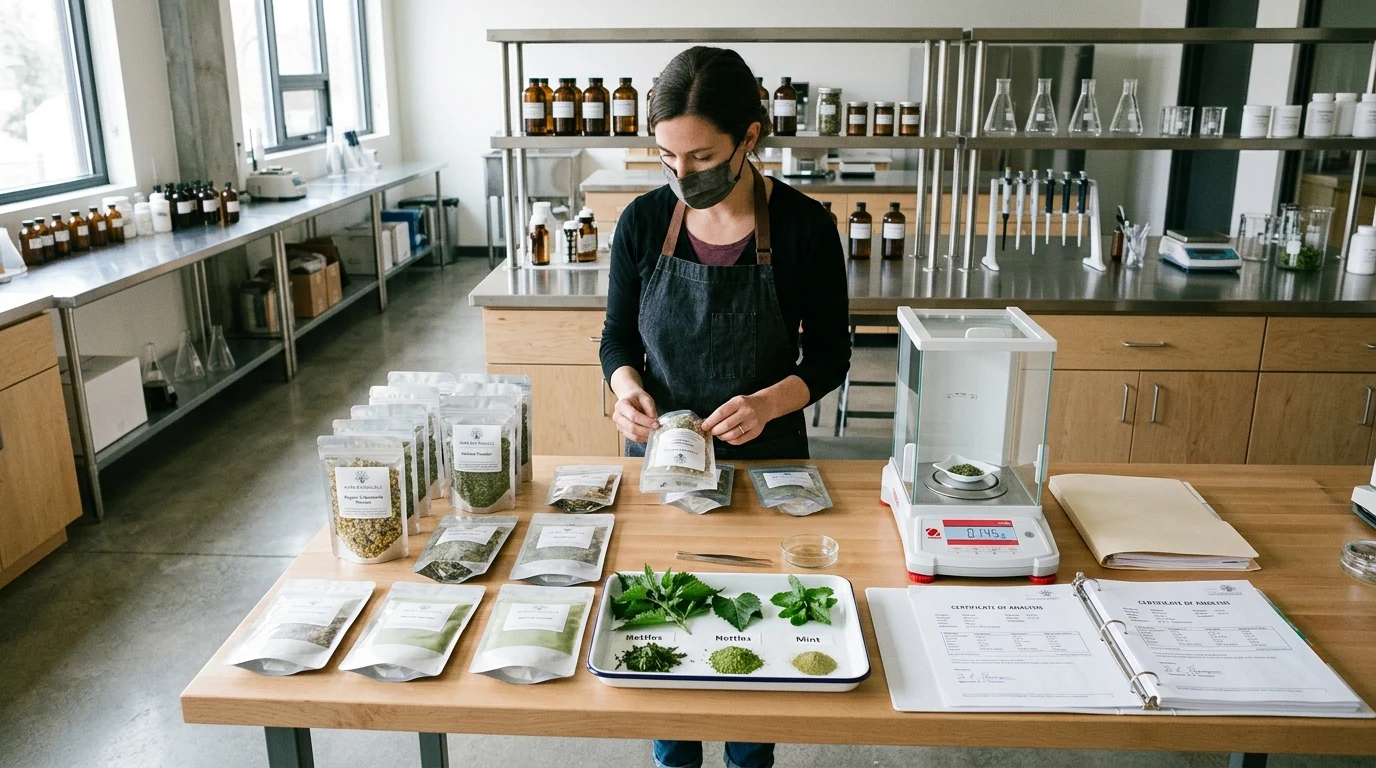
- Batch-Specific Lab Reports: Look for verifiable, downloadable Certificates of Analysis from independent ISO-certified laboratories confirming heavy metal and microbial testing.
- Legitimate Merchant Payment Processing: Beware of websites that exclusively accept Western Union, peer-to-peer apps (Venmo/CashApp), or unverified crypto addresses with no credit card alternative.
- Physical Business Address & Phone: Ethical companies list a verifiable domestic headquarters, customer service telephone number, and responsive email support.
- Tamper-Evident Packaging: Products should arrive in sealed, multi-barrier foil pouches featuring lot numbers, expiration dates, and QR code tracking.
- Clear Return Policy: Established brands offer clear 30-day money-back satisfaction guarantees.
For more details on strain selection and effects, read our comprehensive overview of Kratom Strains: Red, Green, and White Vein Differences.
Frequently Asked Questions About Online Kratom Safety
What should I do if I entered my payment info on a suspicious kratom site?
Immediately contact your bank or credit card company to cancel the card, monitor statements for unauthorized charges, and report the fraudulent domain to consumer protection agencies.
Why do some kratom websites look like spam domains?
Because kratom payment processing is subject to strict financial underwriting, fly-by-night operators often cycle through cheap burner domains and typo-squatted URLs to evade payment processor shutdowns.
How can I verify a Certificate of Analysis (CoA)?
Contact the independent testing laboratory listed on the CoA document (e.g., Murray-Brown, Cora Science, or Santé Labs) to confirm the authenticity of the test report number.
Is it safe to buy kratom on social media marketplaces?
No. Buying kratom through Instagram, Telegram, or Facebook message groups is extremely hazardous, as sellers are unregulated, untraceable, and frequently distribute adulterated or contaminated powders.
Get our latest guides, news, and insights highlighted in your Google Search & AI Overviews.