
✨ This article was AI edited. Editorial responsibility: WhatIsKratom.net.
Produced with AI. This article was artificially generated. Editorial responsibility: WhatIsKratom.net.
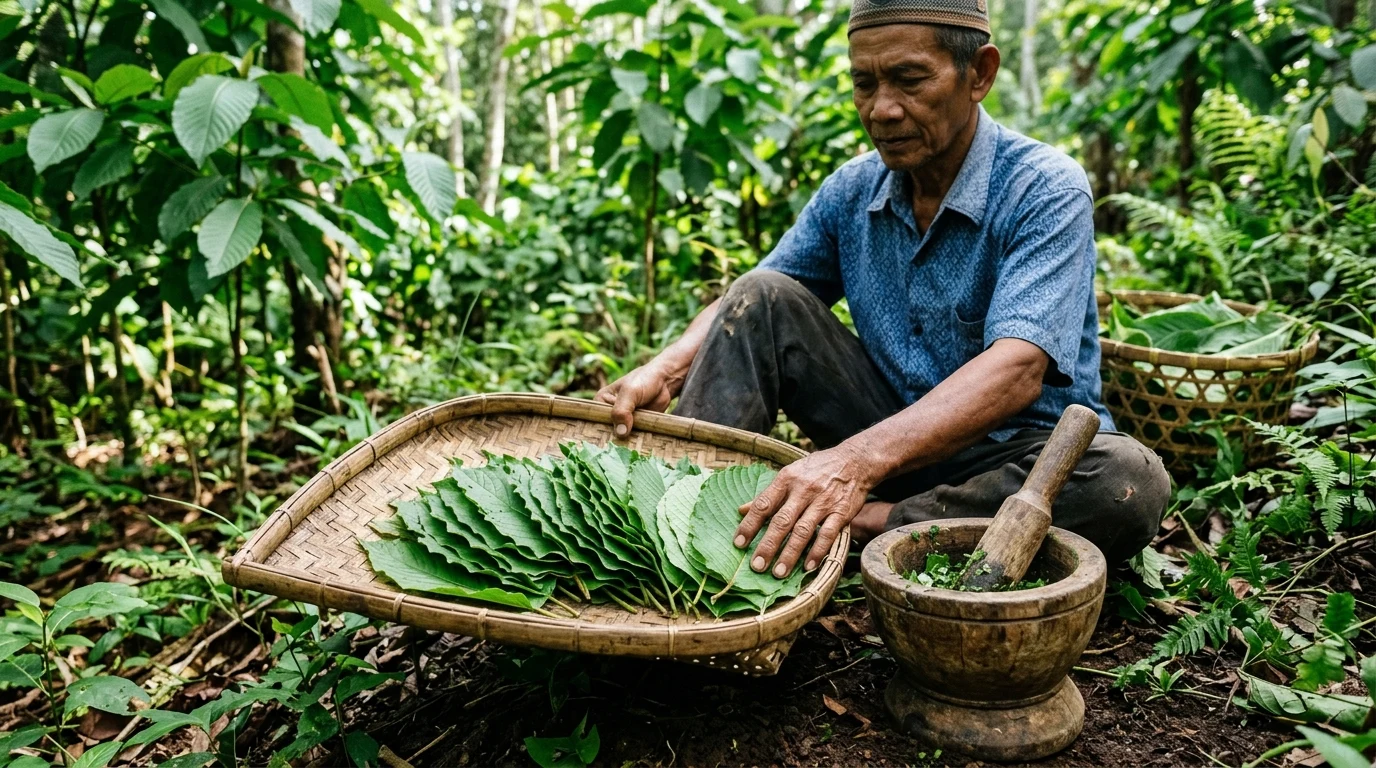
Cratum is a common phonetic misspelling of kratom, the Southeast Asian tropical evergreen tree scientifically classified as Mitragyna speciosa. Native to Thailand, Indonesia, and Malaysia, the leaves of this Rubiaceae family plant contain bioactive indole alkaloids known for their versatile stimulant and analgesic properties across traditional herbal medicine and modern botanical research.
Every month, thousands of individuals searching for natural herbal remedies, pain management alternatives, or botanical energy enhancers type phonetic variations like “cratum”, “kradom”, or “kroton” into search engines. Because Mitragyna speciosa is relatively recent to Western consumer markets, phonetic spelling discrepancies are frequent.
In this foundational educational guide, we clarify the botanical nomenclature, etymology, active chemical components, and proper terminology associated with kratom, helping searchers find verified scientific facts rather than marketing confusion.
Botanical Origins and Etymology: From “Cratum” to Mitragyna Speciosa
The term commonly heard as “kratom” (or spelled as “cratum”) stems from the Thai language term กระท่อม (transliterated as kratom or kradom). In other parts of Southeast Asia, the same tree is recognized under different indigenous names:
- Biak-Biak or Ketum: The primary traditional names used across Malaysia.
- Mambog: Regional terminology common throughout the southern Philippine archipelago.
- Kadamba: Occasional historical Sanskrit references related to the flowering Rubiaceae genus.
Botanically, the plant was formally cataloged in 1839 by Dutch colonial botanist Pieter Willem Korthals, who assigned the genus name Mitragyna because the stigmas of its spherical blossoms resemble a bishop’s mitre hat.
For an exhaustive breakdown of the species’ historical use, explore our pillar article on What Is Kratom? Botanical Safety, Effects, and Science.
The Chemistry Behind the Herb: Primary Alkaloids
Regardless of whether one writes “cratum” or the correct spelling “kratom”, the active pharmacology of the tree resides in its rich cocktail of over 40 distinct indole alkaloids. The two primary constituents governing human receptor interaction are:
| Alkaloid Name | Natural Foliage Concentration | Receptor Targets | Primary Physiological Effect |
|---|---|---|---|
| Mitragynine | 60% – 70% of total alkaloid content | μ-opioid, alpha-2 adrenergic, 5-HT2A | Stimulation at low dose; physical comfort at moderate dose |
| 7-Hydroxymitragynine | < 2% of total alkaloid content | High-affinity partial μ-opioid agonist | Potent analgesia, muscle relaxation, calming sedation |
| Paynantheine | 8% – 10% of total alkaloid content | Smooth muscle spasmolytic pathways | Systemic physical ease, tension reduction |
| Speciogynine | 6% – 8% of total alkaloid content | Peripheral neurological receptors | Anxiolytic modulation, synergistic entourage buffer |
To understand how these alkaloids interact with neurological receptors without triggering respiratory depression, read our detailed analysis on Is Kratom an Opioid? Receptor Binding and Scientific Differences.
Common Formats: How Kratom Is Consumed
Those researching “cratum” will encounter several commercial preparation methods, each offering unique pharmacokinetic timelines and practical conveniences:
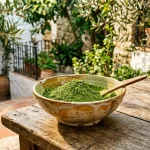
- Crushed Raw Leaf Powder: The most prevalent format. Dried whole leaves are milled into micro-fine flour, which can be mixed with water, stirred into smoothies, or prepared via the “toss and wash” method.
- Gelatin or Vegetarian Capsules: Pre-measured capsules containing 0.5 to 0.75 grams of powder, ideal for users who dislike the natural earthy botanical bitterness of the raw foliage.
- Traditional Boiled Tea: Simmering leaves or powder in hot water with an acidic catalyst (such as lemon juice) to draw water-soluble alkaloids into a soothing herbal beverage.
- Standardized Liquid Extracts: Concentrated tinctures or liquid shots isolating mitragynine for rapid sublingual absorption and quick onset.
Compare the advantages and digestive efficiency of each method in our guide on Kratom Powder vs. Capsules vs. Tea: Complete Comparison.
Safety, Dosage, and Responsible Consumption
When approaching Mitragyna speciosa, education and measured moderation are the golden rules of responsible usage. Unlike conventional pharmaceuticals, kratom operates on a biphasic response spectrum where smaller amounts stimulate while larger amounts sedate.
Recommended Starting Thresholds
- Novice Baseline: 1.5 to 2.0 grams of plain leaf powder taken on an empty stomach with a large glass of water.
- Intermediate Level: 2.5 to 4.0 grams for noticeable relief of physical discomfort and sustained mental serenity.
- High Dose Warning: Exceeding 5.0 grams significantly heightens the likelihood of nausea, headache, or the “wobbles” (temporary vestibular dizziness).
Always source lab-verified powder accompanied by third-party Certificates of Analysis to ensure the absence of synthetic adulterants, pesticides, or heavy metals.
Frequently Asked Questions About “Cratum” and Kratom
Is “cratum” a different plant from kratom?
No. “Cratum” is simply a phonetic misspelling of kratom (Mitragyna speciosa). Both terms refer to the exact same tropical tree indigenous to Southeast Asia.
Why do so many people spell it as “cratum”?
Because the initial ‘k’ sound in kratom is identical phonetically to a hard ‘c’ in English and Romance languages, many people typing search queries by sound spell it with a ‘c’.
What family of plants does kratom belong to?
Kratom belongs to the Rubiaceae family, making it a close botanical cousin of the common coffee tree (Coffea arabica) and gardenias.
Is kratom legal to buy online?
In most countries and US states, kratom is legal to purchase online from certified botanical vendors. However, certain jurisdictions (such as the UK, Australia, and a few US municipalities) have passed local bans or restrictions.
Get our latest guides, news, and insights highlighted in your Google Search & AI Overviews.