✨ This article was AI edited. Editorial responsibility: WhatIsKratom.net.
Produced with AI. This article was artificially generated. Editorial responsibility: WhatIsKratom.net.
Kratom Maeng Da (often searched as “kratom maengda”) is an elite botanical grade of Mitragyna speciosa originally bred in Thailand through selective grafting for heightened alkaloid potency. Renowned for containing elevated mitragynine concentrations (typically 1.5% to 2.0%), Maeng Da delivers long-lasting vitality, sharp cognitive focus, and comprehensive physical comfort across Green, White, and Red vein varieties.
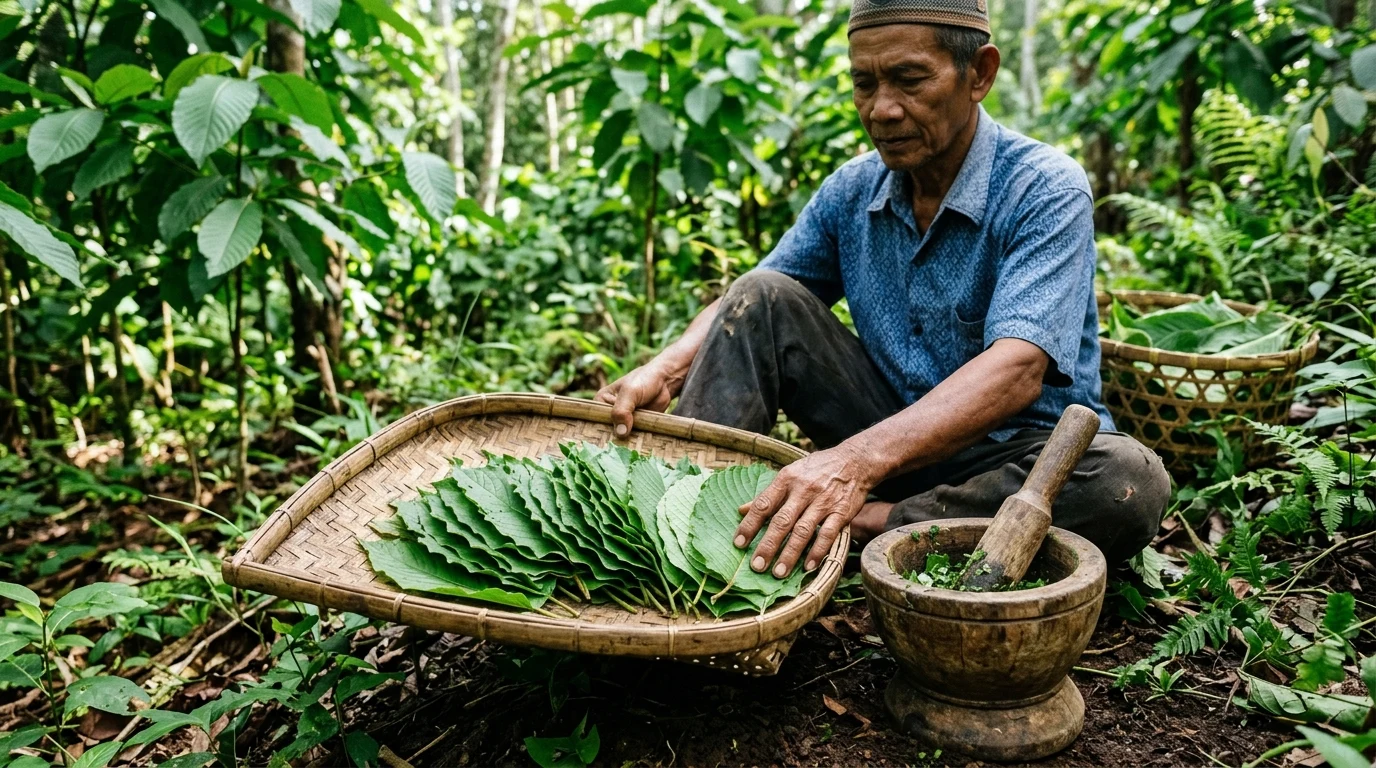
Among all recognized botanical cultivars in the ethnobotanical world, kratom maengda stands as the undisputed benchmark of quality, potency, and commercial prestige. Translated colloquially from Thai street slang as “pimp grade,” the title was coined by indigenous Southeast Asian farmers to designate leaves harvested from mature, horn-leafed trees that demonstrated superior physiological activity.
Whether you are seeking daytime motivation, sustained physical endurance for labor or athletics, or serene evening relaxation, understanding the nuanced differences between Maeng Da vein phenotypes is crucial. In this comprehensive master guide, we dissect the botanical history, alkaloid science, vein variations, and precise dosing guidelines for Maeng Da.
The Origins and History of Maeng Da Kratom
Unlike standard regional varieties named after geographical origins (such as Bali, Borneo, or Sumatra), Maeng Da was developed through deliberate agricultural cultivation techniques:
- Selective Grafting Techniques: Thai horticulturalists in the late 20th century grafted mature rootstocks to produce resilient trees capable of withstanding environmental fluctuations while maximizing alkaloid synthesis.
- Distinct Foliage Morphology: Maeng Da leaves frequently exhibit a unique “horned” serration along the leaf margins, reflecting distinct genetic expressions and robust secondary alkaloid development.
- Modern Cultivation: While indigenous to Thailand, modern commercial Maeng Da is predominantly cultivated on sustainable plantations along the fertile river basins of West Kalimantan and Sumatra, Indonesia.
For an overview of how raw leaf compares to concentrated extracts, explore our evaluation on Krave Liquid Kratom Potency and Usage.
Maeng Da Vein Spectrum: Green, White, and Red Profiles
The physiological effects of Maeng Da depend heavily on post-harvest curing methods, which transform the active indole and oxindole alkaloid matrix:
| Maeng Da Variety | Drying & Oxidation Method | Average Mitragynine | Primary User Effects |
|---|---|---|---|
| Green Maeng Da | Indoor climate cure + brief outdoor finish | 1.5% – 1.8% | Clean, alert energy, social talkativeness, balanced physical ease |
| White Maeng Da | Strict indoor drying without UV exposure | 1.6% – 2.0% | Intense morning focus, athletic stamina, mental drive |
| Red Maeng Da | Extended outdoor fermentation / UV cure | 1.2% – 1.5% | Deep muscular comfort, calming tranquility, peaceful evening rest |
| Yellow / Gold Maeng Da | Hybrid specialized sun curing process | 1.3% – 1.6% | Smooth mood uplift, tension relief, soothing daytime equilibrium |
Explore vein characteristics in depth in our pillar guide on Decoding the Color Spectrum of Kratom: Red, Green, and White.
Alkaloid Pharmacology: Why Maeng Da Is More Potent
The superior reputation of Maeng Da is verified by high-performance liquid chromatography (HPLC) testing, which reveals elevated concentrations of critical active compounds:
- Mitragynine: The primary indole alkaloid acting as a partial agonist at μ-opioid receptors while simultaneously stimulating postsynaptic α2-adrenergic receptors, delivering simultaneous physical calm and mental clarity.
- 7-Hydroxymitragynine (7-OH): A minor but highly active metabolite that contributes to physical comfort and muscular relaxation.
- Paynantheine & Speciogynine: Smooth muscle relaxants that buffer against over-stimulation and support physical ease.
To understand the pharmacological properties of these alkaloids, read our scientific breakdown on Is Kratom an Opioid? Receptor Binding and Science.
Accurate Dosing Protocols for Maeng Da Kratom
Because Maeng Da contains higher alkaloid concentrations than standard commercial strains, lower serving sizes are recommended to prevent adverse reactions:
- Starter Dose (1.0 – 1.5 grams): Ideal for novices. Provides clean alertness, improved mood, and subtle motivation without gastrointestinal discomfort.
- Moderate Dose (2.0 – 3.5 grams): Optimal for experienced consumers seeking balanced mental stimulation alongside noticeable body comfort.
- Full Body Dose (4.0 – 5.5 grams): Typically reserved for Red Maeng Da taken in the evening to encourage profound physical relaxation.
- Caution on Doses > 6.0 grams: Excessive doses of potent Maeng Da increase the likelihood of dizziness, nausea, and the temporary visual disturbance known as “the wobbles.”
Review potential side effects and harm reduction strategies in our clinical guide to Side Effects of Kratom and Long-Term Wellness Protocols.
Frequently Asked Questions About Kratom Maeng Da
What does “Maeng Da” mean?
Maeng Da is a Thai slang term translating loosely to “pimp grade,” originally coined to signify the highest-grade, most potent harvest of Mitragyna speciosa leaves.
Is Maeng Da stronger than regular kratom?
Yes. HPLC laboratory testing confirms that authentic Maeng Da typically contains between 1.5% and 2.0% mitragynine, compared to 1.0% to 1.3% in standard commercial varieties.
Which Maeng Da strain is best for energy?
White Maeng Da is widely regarded as the most invigorating strain, offering crisp morning alertness and focus, closely followed by Green Maeng Da for balanced endurance.
Can I take Maeng Da every day?
While many consumers use Maeng Da regularly, rotating strains and taking weekly tolerance breaks is strongly recommended to prevent alkaloid desensitization and dependence.
Get our latest guides, news, and insights highlighted in your Google Search & AI Overviews.