✨ This article was AI edited. Editorial responsibility: WhatIsKratom.net.
Produced with AI. This article was artificially generated. Editorial responsibility: WhatIsKratom.net.
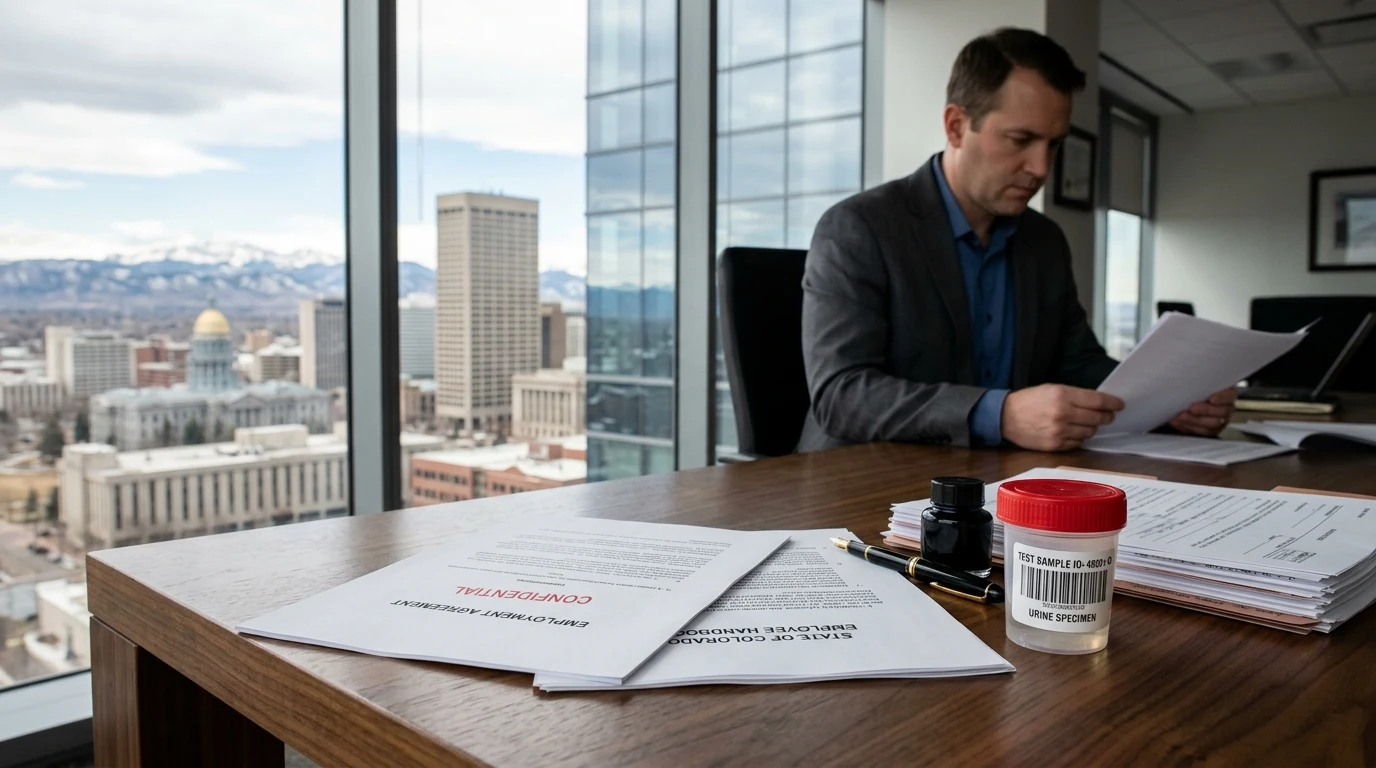
Kratom in Turkey (Türkiye) is strictly controlled under Turkish pharmaceutical and narcotics regulations enforced by the Ministry of Health (Sağlık Bakanlığı). Because Mitragyna speciosa and mitragynine are classified alongside prohibited psychoactive substances, commercial sale, personal importation, and possession within Turkish territory carry severe legal penalties and customs confiscation.
Turkey occupies a unique transcontinental crossroads between Europe and Asia, possessing a rich tradition of herbal medicine, medicinal teas, and historic bazaar apothecaries. However, when it comes to novel psychoactive botanicals and ethnobotanicals, Turkish law enforces some of the strictest narcotics and controlled substance regimes in the Mediterranean and Middle Eastern regions.
For international tourists visiting Istanbul, Antalya, or Cappadocia, as well as expatriates and local citizens, understanding the legal reality of Mitragyna speciosa in Turkey is critical to avoid severe criminal liability.
The Legal Framework in Turkey: Ministry of Health & Narcotics Penal Code
In Turkey, substance regulation is governed by the Turkish Penal Code (Law No. 5237) and statutory lists maintained by the Ministry of Health’s Pharmaceuticals and Medical Devices Agency (TİTCK – Türkiye İlaç ve Tıbbi Cihaz Kurumu).
Key statutory determinations regarding kratom include:
- Controlled Substance Classification: Turkish authorities treat Mitragyna speciosa, mitragynine, and related alkaloids as controlled substances subject to the provisions of Turkish narcotics legislation.
- Strict Ban on Sale and Distribution: No domestic business, online platform, or bazaar herbalist (aktar) is permitted to sell, stock, or distribute kratom within Turkey. Doing so constitutes a serious felony under drug trafficking statutes.
- Penalties for Possession: Under Article 191 of the Turkish Penal Code, unauthorized possession or purchase of controlled substances for personal use carries potential prison sentences of two to five years, accompanied by compulsory rehabilitation supervision.
For a wider perspective on international regulatory differences, review our overview of Kratom Laws Across Europe and the Mediterranean.
Customs (Gümrük) Enforcement and Travel Realities
Turkey’s customs agency (Gümrük Muhafaza) operates with heightened vigilance across all international points of entry, including Istanbul Airport (IST), Sabiha Gökçen (SAW), and Mediterranean maritime ports.
Travelers and consumers must heed these critical border enforcement protocols:
| Point of Entry | Customs Inspection Protocol | Legal Outcome for Unauthorized Kratom |
|---|---|---|
| Airport Checked Baggage | Automated 3D baggage tomography and canine narcotics detection | Immediate detention; referral to airport police narcotics bureau |
| Airport Carry-On Luggage | X-ray screening; chemical swab detection for organic alkaloids | Confiscation; formal interrogation; potential arrest and deportation |
| International Postal Parcels | Postal customs hub scanning of all inbound organic powders | Destruction of package; criminal summons issued to recipient |
To understand the pharmacological reasons behind international restrictions, read our scientific breakdown on Is Kratom an Opioid? Receptor Binding and Scientific Differences.
Traditional and Permitted Botanical Alternatives in Turkey
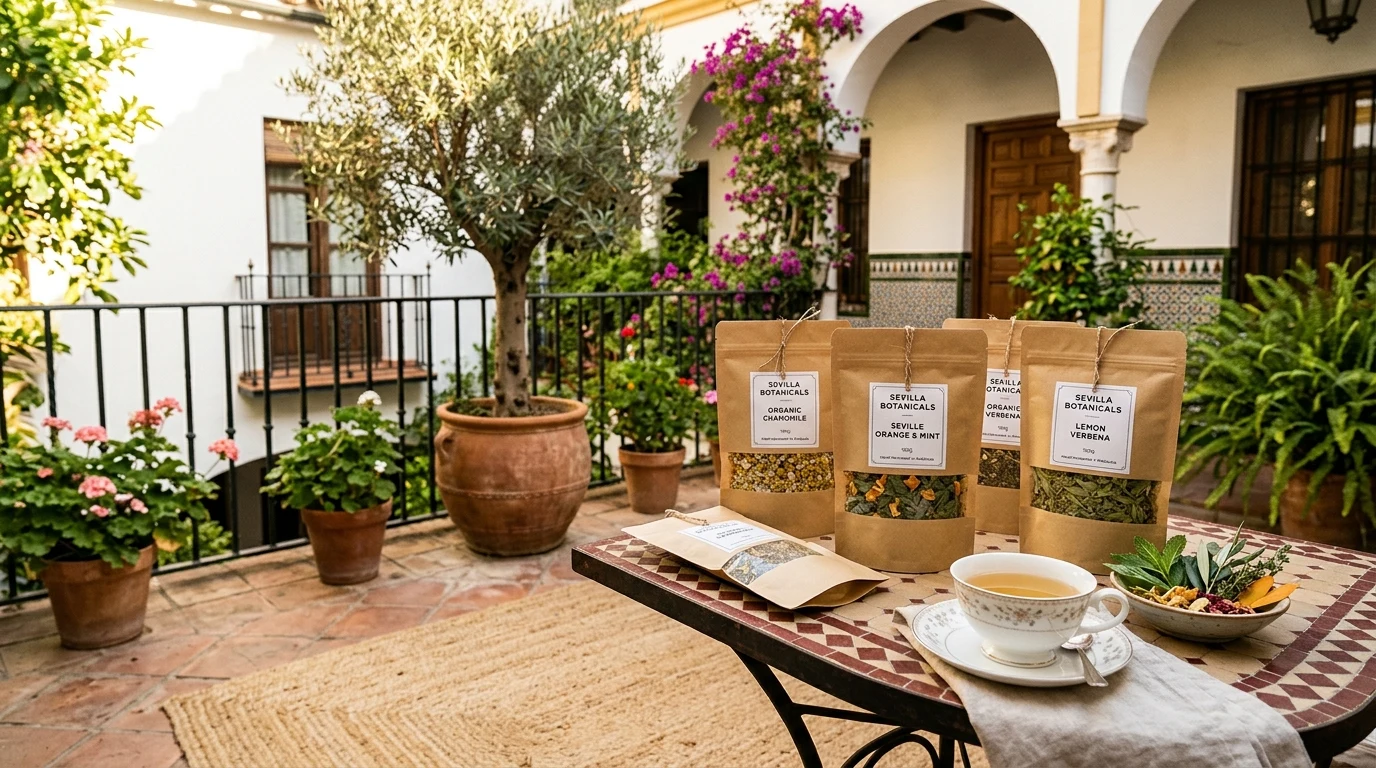
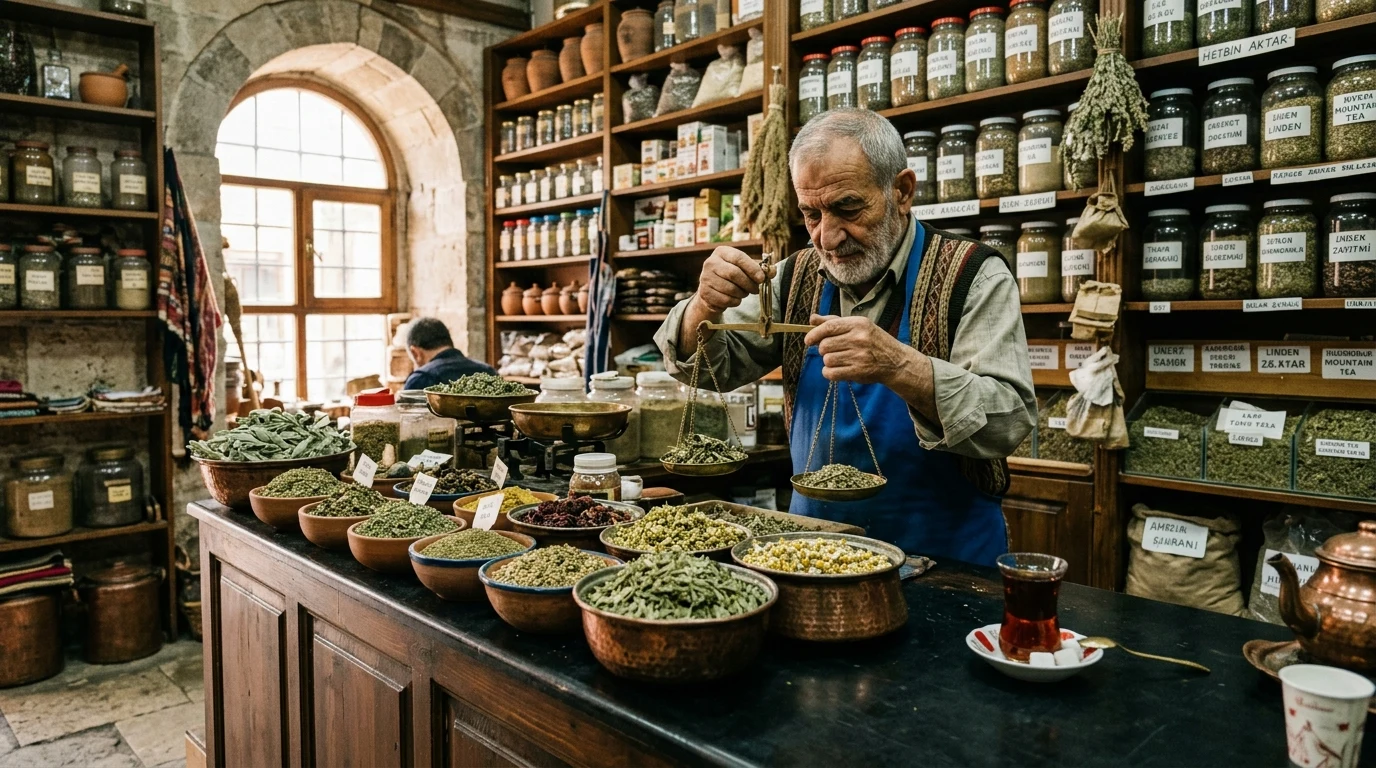
Rather than risking severe legal entanglements with prohibited ethnobotanicals, visitors and residents in Turkey can explore the country’s celebrated, 100% legal traditional herbal medicine culture. Turkish spice bazaars (Mısır Çarşısı) and traditional herbal shops (aktarlar) offer exceptional, fully legal botanicals for wellness, energy, and physical comfort:
- Adaçayı (Turkish Mountain Sage – Salvia fruticosa): A legendary herbal tea infused with antioxidant flavonoids, soothing throat irritation and promoting systemic tranquility.
- Ihlamur (Linden Blossom Tea): Widely consumed throughout Turkey for gentle nervous system relaxation, stress reduction, and restorative evening calm.
- Melisa (Lemon Balm – Melissa officinalis): A revered traditional nervine that enhances cognitive composure, balances cortisol, and fosters peaceful sleep.
- Çörek Otu (Black Seed Oil – Nigella sativa): Celebrated across Turkish holistic medicine for immune resilience, joint comfort, and vitality.
Compare the mechanisms of holistic botanical remedies in our comparative study on What Is the Difference Between CBD and Kratom?.
Frequently Asked Questions About Kratom in Turkey
Is kratom legal in Turkey?
No. Kratom is classified as a controlled and prohibited substance in Turkey under Ministry of Health and narcotics regulations. It is illegal to possess, buy, sell, or import.
Can tourists bring kratom into Turkey for personal medical use?
No. Turkish customs does not permit travelers to bring kratom into the country, even with foreign medical prescriptions. Bringing kratom through Turkish airports can result in criminal detention.
Can you find kratom in Istanbul spice bazaars?
No. Licensed Turkish herbalists (aktarlar) cannot sell Mitragyna speciosa. Sourcing kratom through illicit street channels carries severe health and criminal risks.
What should I do if I am traveling to Turkey and use kratom regularly?
Gradually taper your kratom intake prior to traveling to Turkey to prevent withdrawal discomfort, and rely on legal wellness teas such as Linden (Ihlamur) and Mountain Sage (Adaçayı) while in the country.
Get our latest guides, news, and insights highlighted in your Google Search & AI Overviews.