
In the world of natural remedies, Kratom has been gaining increasing popularity. Known for its potential to alleviate pain, fatigue, and anxiety, this Southeast Asian plant has been utilized for centuries. However, as Kratom’s popularity continues to surge, various forms of its consumption have emerged, confusing both seasoned users and newcomers alike. One such topic of confusion revolves around Kratom tinctures and extracts – what differentiates them and how do they affect the user? In this informative article, we delve deep into the world of Kratom tincture and extract, decoding their key differences to shed light on this captivating subject. So buckle up and prepare to embark on a journey that explores the nuances of Kratom’s potent variations.
1. Understanding Kratom Tincture and Extract: Unveiling the Intricacies of a Natural Substance
In recent years, the herbal supplement known as kratom has gained popularity for its potential health benefits. Among its various forms, kratom tincture and extract have emerged as popular choices due to their concentrated nature. Kratom is a tropical tree native to Southeast Asia, and its leaves have been traditionally used for their medicinal properties.
A kratom tincture is created by soaking kratom leaves or powder in alcohol, which extracts the active alkaloids present in the plant. This concentrated liquid form allows for faster absorption and potentially more potent effects. On the other hand, kratom extract is typically made by boiling down the kratom leaves or powder into a resin, which is then ground into a fine powder. The extract is known for being extremely concentrated, often requiring smaller doses compared to other forms of kratom.
One of the main benefits of using kratom tincture or extract is the convenience it offers. Due to their concentrated nature, smaller doses can be consumed, making it easier to measure and administer. Additionally, these forms of kratom may have a longer shelf life compared to other types, as the alcohol or resin acts as a preservative. It is important to note, however, that the potency of kratom tincture and extract may be higher, and therefore, it is recommended to start with lower doses to avoid potential side effects.
Some key takeaways:
- Kratom tincture is created by soaking kratom leaves or powder in alcohol, while the extract is made by boiling down the leaves or powder into a resin which is then ground into a fine powder.
- Kratom tincture and extract offer convenience and potentially longer shelf life.
- Start with lower doses when using concentrated forms to avoid adverse reactions.

2. The Origins and Manufacturing Process: Gaining Insight into Kratom Tincture and Extract
Kratom tincture and extract have gained considerable popularity in recent years, but have you ever wondered where they come from and how they are made? Let’s delve into the origins and manufacturing process of these potent products.
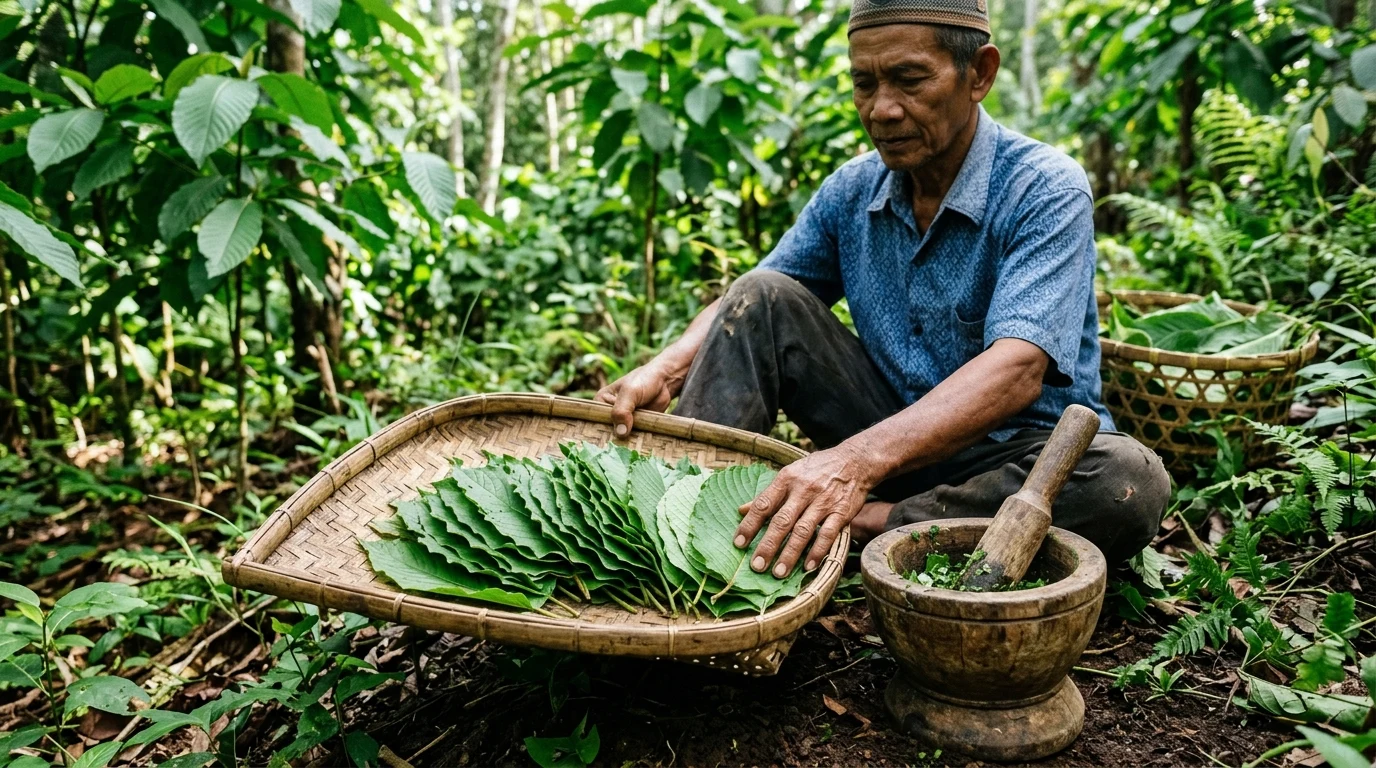
Origins: Kratom, scientifically known as mitragyna speciosa, is a tropical tree native to Southeast Asia. It is primarily found in countries such as Thailand, Indonesia, Malaysia, and Papua New Guinea. The leaves of the kratom tree have been used for centuries by indigenous communities for their medicinal properties and traditional rituals. Today, kratom is harvested from mature trees, with leaves carefully handpicked to ensure optimal potency.
- Farming: Kratom trees are typically cultivated in carefully maintained farms to promote healthy growth. Farmers employ traditional techniques, providing the trees with the ideal environment, including ample shade and well-drained soil. These favorable conditions contribute to the potential alkaloid concentration of kratom leaves, which plays a significant role in the strength of the resulting tincture or extract.
- Harvesting: When the leaves reach peak maturity, they are selectively harvested by skilled workers. This process involves choosing the freshest and richest leaves that exhibit the desired alkaloid content. Experienced harvesters understand the optimal timing to ensure superior quality.
- Manufacturing Process: After harvesting, the leaves undergo a meticulous manufacturing process to convert them into kratom tincture or extract. This typically involves drying the leaves and grinding them into a fine powder. The powder is then mixed with a solvent, such as alcohol or water. This mixture is left to sit and extract the desired alkaloids. Finally, the solvent is strained, leaving behind a concentrated liquid that can be used as a tincture or further processed into different forms of kratom extract.
Understanding the origins and manufacturing process of kratom tincture and extract provides valuable insight into these potent products. From the careful cultivation and expert harvesting to the intricate manufacturing process, every step is crucial in producing a high-quality final product.

3. Unraveling the Key Distinctions: Examining the Varied Potency and Effectiveness of Kratom Tincture versus Extract
In the world of natural remedies, Kratom has gained significant attention for its potential benefits. Two common forms of Kratom that are widely available in the market are tinctures and extracts. Although these products share similarities, it’s crucial to understand their distinct characteristics, potency, and effectiveness.
Differences:
- Preparation: Kratom tinctures are made by soaking the leaves in alcohol, whereas extracts involve a more extensive process of boiling the leaves, condensing the result, and forming a concentrated compound.
- Potency: Tinctures generally have a lower potency compared to extracts. While tinctures are usually made using a 1:4 ratio of Kratom leaves to alcohol, extracts have a much higher potency ranging from 8x to 50x. This means that Kratom extract is significantly more concentrated, requiring smaller doses for the desired effects.
- Administration: Tinctures are often consumed orally by placing a few drops under the tongue or mixing them with a beverage, allowing for easy ingestion. Extracts, on the other hand, are commonly available in powder or capsule form, making them convenient for measurement and consumption.
Effectiveness:
- Onset and Duration: Kratom tinctures are known for their quick onset of effects, usually within 15-20 minutes. However, their effects may not last as long as Kratom extracts, which can provide benefits for up to six hours or longer. The prolonged effects of extracts have made them popular among individuals seeking sustained relief from certain conditions.
- Variation in Experience: Due to their higher potency, Kratom extracts are often associated with more intense experiences. They may offer heightened pain relief, euphoria, or sedation compared to tinctures. Tinctures, however, are considered more suitable for individuals seeking a milder experience or those new to Kratom.
- Cost: Kratom extracts, with their superior potency, are generally priced higher than tinctures. This is mainly due to the additional processing required and the concentration of active compounds.
Understanding the differences between Kratom tinctures and extracts is essential for users looking to optimize their Kratom experience. Whether one chooses the milder potency and easy administration of tinctures or the higher concentration and sustained effects of extracts, it’s important to consult with a knowledgeable professional to determine the best option based on individual needs and preferences.

4. A Closer Look at Kratom Tincture: Harnessing the Power of Concentrated Alkaloids
Kratom tincture packs a punch when it comes to potency and effectiveness. This concentrated form of kratom is gaining popularity due to its high alkaloid content, which allows users to experience enhanced benefits. With a closer look at kratom tincture, you can harness the power of concentrated alkaloids for a more potent and intense kratom experience.
Unlike traditional methods of consuming kratom, such as capsules or powder, kratom tincture is created by extracting the alkaloids from the leaves and blending them with a solvent, such as alcohol or vinegar. This process results in a highly concentrated liquid that retains the full spectrum of alkaloids found in kratom leaves. These alkaloids, including mitragynine and 7-hydroxymitragynine, are known for their potential therapeutic effects on the body.
- Enhanced potency: One of the key advantages of kratom tincture is its increased potency compared to other forms of kratom. The concentrated alkaloids allow for a stronger and faster-acting effect, making it ideal for those seeking immediate relief or a more intense kratom experience.
- Versatility of use: Kratom tincture offers versatility when it comes to consumption methods. It can be taken sublingually, mixed into a beverage, or even used topically, providing users with a variety of options to suit their preferences.
- Precise dosing: With kratom tincture, it becomes easier to precisely measure and control your dosage. The concentrated form allows for smaller quantities to be used without compromising on its effectiveness, ensuring you can tailor your dosage to your specific needs.
5. Exploring Kratom Extract: A Powerful Concentrate with Enhanced Properties
Kratom extract has gained popularity in recent years due to its powerful concentration and enhanced properties. Extracts are made by boiling down the leaves of the Kratom tree, resulting in a highly concentrated form of the plant’s alkaloids. This natural product has been used for centuries in Southeast Asia for its stimulating and sedating effects.
One of the primary benefits of using Kratom extract is its potency. While traditional Kratom powder contains a lower concentration of alkaloids, extracts offer a more concentrated dose, allowing users to experience its effects more strongly. This is especially beneficial for individuals who have built up a tolerance to Kratom over time.
- Enhanced Effects: Kratom extract is known for its enhanced properties, providing a more potent experience compared to regular Kratom powder.
- Increased Duration: Due to its concentrated nature, the effects of Kratom extract tend to last longer than those of regular Kratom powder.
- Diversified Strains: Extracts are available in various strains, allowing users to explore different types of Kratom and their unique properties.
It is important to note that Kratom extract should be used responsibly, and dosages should be carefully monitored. Due to its high concentration, the effects can be more intense, and users should adjust their dosage accordingly. With its enhanced properties and potent concentration, Kratom extract provides an exciting option for those looking to explore the benefits of this natural plant.
6. Consumption Methods and Dosage Guidelines: Navigating the World of Kratom Tincture and Extract with Confidence
As you delve into the realm of kratom tinctures and extracts, it’s crucial to familiarize yourself with the various consumption methods and dosage guidelines to ensure a safe and satisfactory experience. These potent forms of kratom offer concentrated effects that can be both beneficial and overwhelming if not used responsibly.
Here are some key considerations and tips to navigate the world of kratom tincture and extract with confidence:
- Know your tolerance: Start with small doses to gauge your tolerance levels, as extracts and tinctures are significantly more potent than traditional kratom powder. Gradually increase your dosage only if necessary.
- Measurement accuracy: Using a precise measuring tool, such as a digital scale, is vital to avoid accidental overconsumption. A slight variation in dosage can have a noticeable impact on the effects.
- Consult vendor recommendations: Each kratom vendor may have their own dosage guidelines specifically tailored to their product. These recommendations can serve as a helpful starting point but should be combined with personal experimentation.
- Be mindful of potency: Extracts are typically labeled with a numeric value indicating the ratio of raw kratom leaves used to produce the extract. Higher numbers denote more concentrated extracts, requiring lower doses for desired effects.
By understanding these consumption methods and dosage guidelines, you can optimize your kratom experience while minimizing potential risks. Remember, responsible usage is key when exploring the world of kratom tinctures and extracts.
7. Kratom Tincture and Extract: Analyzing the Controversies and Regulatory Landscape Surrounding their Use
One of the most controversial topics in the world of natural supplements is the use of kratom tinctures and extracts. Kratom, a plant native to Southeast Asia, has gained popularity in recent years due to its potential medicinal benefits. However, this herbal remedy has also garnered attention for its disputed effects and legal status in various countries.
The controversies surrounding kratom tinctures and extracts primarily revolve around their potential as a recreational drug and their classification by regulatory agencies. While proponents claim that kratom offers pain relief, boosts energy, and eases anxiety, opponents argue that it can be addictive and have adverse effects on health. Moreover, the regulatory landscape surrounding kratom use is complex and varies from country to country. Some nations have banned kratom outright, while others have implemented strict regulations or are currently conducting studies to determine its safety and potential benefits.
FAQ
Q: What is Kratom tincture?
A: Kratom tincture is a concentrated liquid made by soaking Kratom leaves or powder in alcohol, which extracts its active compounds such as mitragynine and 7-hydroxymitragynine.
Q: What is Kratom extract?
A: Kratom extract is a refined form of Kratom, where the alkaloids are extracted from the plant material leaving behind a highly potent powder or resin.
Q: What are the key differences between Kratom tincture and extract?
A: The main difference lies in their preparation and potency. While tinctures are made using alcohol, extracts undergo a more intricate extraction process resulting in a higher concentration of alkaloids.
Q: Can you explain the extraction process of Kratom tincture?
A: To make a Kratom tincture, Kratom leaves or powder are soaked in alcohol for several weeks, allowing the key alkaloids to dissolve. The liquid is then strained, leaving a concentrated extract of Kratom.
Q: What about the extraction process of Kratom extract?
A: Kratom extract is created by boiling down the Kratom leaves or powder, followed by a filtration process to remove impurities. This concentrated liquid is then made into a powder or solid resin form.
Q: Which one is more potent, Kratom tincture or extract?
A: Kratom extract is generally considered to be more potent than tincture due to its higher alkaloid concentration. Extracts are often made with a higher ratio of Kratom leaves or powder to solvent, resulting in a stronger product.
Q: How are Kratom tincture and extract usually consumed?
A: Both tincture and extract can be consumed orally. Kratom tinctures are commonly taken by using a dropper to measure the desired dose, while extracts are often mixed with water or added to foods and beverages.
Q: Are there any specific considerations when using Kratom tincture or extract?
A: Yes, it is important to start with a low dosage when using tinctures or extracts due to their higher potency. Additionally, regular Kratom users may need to adjust their dosage to meet their individual needs.
Q: Can Kratom tincture or extract provide different effects than traditional Kratom?
A: While the effects of Kratom tincture and extract are generally similar to traditional Kratom, their potency may lead to more pronounced effects. This can result in stronger pain relief, increased energy, or enhanced relaxation compared to regular Kratom.
Q: Are there any potential risks or adverse effects associated with Kratom tincture or extract?
A: Like regular Kratom, tincture and extract consumption may have potential side effects such as nausea, constipation, or dizziness. Users should always be cautious and exercise moderation when incorporating these concentrated forms of Kratom into their routine.
Q: Is there a recommended dosage for Kratom tincture or extract?
A: Dosage recommendations can vary depending on the individual and desired effects. It is advisable to start with a small dose and gradually increase as needed. Consulting with a healthcare professional or Kratom expert is always recommended.
Q: Is Kratom tincture or extract legal in all countries?
A: Kratom’s legal status varies from country to country. While some nations allow the use of Kratom in various forms, others have imposed restrictions or banned it altogether. It is essential to research and understand the legal status of Kratom in your specific location.
Q: Can Kratom tincture or extract be used as an alternative to traditional Kratom?
A: Many individuals use Kratom tincture or extract for a more potent and concentrated experience. However, it is essential to remember that these forms of Kratom should be used responsibly and in moderation. They can provide an alternative for those seeking a stronger effect, but should not be used as a substitute without proper guidance.
Q: Are there any ongoing studies or research regarding Kratom tincture or extract?
A: Research on Kratom remains limited, and there is a need for more studies to investigate the specific effects and potential benefits or risks of different Kratom preparations, including tinctures and extracts. Nonetheless, anecdotal evidence suggests their popularity among certain Kratom enthusiasts.
Q: Where can Kratom tincture or extract be obtained?
A: Kratom tincture and extract can be found at select online vendors or specialized Kratom shops. It is essential to purchase these products from reputable sources to ensure quality and safety.
Q: What should users keep in mind when considering Kratom tincture or extract?
A: Users should be aware that Kratom tinctures and extracts are powerful forms of Kratom. It is crucial to educate oneself on proper usage, dosage, and potential side effects. Additionally, it is advisable to consult with healthcare professionals or experienced Kratom users when incorporating these concentrated forms into one’s routine.
Conclusion
In conclusion, understanding the distinctions between kratom tinctures and extracts serves as a crucial step towards making informed choices when incorporating this botanical wonder into our lives. While both forms offer concentrated versions of kratom’s natural compounds, they differ significantly in the extraction process, potency, and dosage requirements.
Kratom enthusiasts looking for a convenient and straightforward option may find tinctures to be their perfect match. With their simplicity and versatility, tinctures allow users to experience the benefits of kratom in a drop or two. However, the alcohol-based extraction method may concern those recovering from alcohol addiction or who wish to avoid its taste and smell.
Extracts, on the other hand, hold the key to unlocking kratom’s potency for experienced users seeking a more intense and powerful encounter. Following a meticulous extraction process, extracts deliver potent alkaloid concentrations that can be customized to cater to specific needs. Yet, newcomers should exercise caution and approach extract use with utmost respect, as their elevated strength calls for lower dosage requirements.
Ultimately, whether you opt for a kratom tincture or extract, it is essential to remember that responsible use is paramount. Consulting knowledgeable and reputable sources, adhering to recommended dosage guidelines, and listening to your body’s response will ensure a safe and rewarding kratom experience.
As research continues to unveil the properties and potential benefits of kratom, the exploration of its various forms and extraction methods will undoubtedly remain at the forefront. By constantly decoding the nuances and understanding the key differences between kratom tinctures and extracts, we can unlock the full potential of this remarkable plant and embark on a journey towards a healthier and more balanced existence.
Cross-Border Regulations: Sourcing a Mexico Kratom Tincture Safely
Navigating the purchase of a mexico kratom tincture requires careful product screening: while Mitragyna speciosa remains unscheduled under Mexican federal law, tourist-area retail smoke shops frequently stock unverified liquid concentrates with obscure solvent testing, making lab-certified, factory-sealed commercial imports essential for consumer safety.
Travelers and expats seeking a mexico kratom tincture in resort hubs such as Cancun, Playa del Carmen, or Puerto Vallarta encounter wide variations in botanical concentration. Evaluating extraction purity, carrier solvents, and border customs scrutiny ensures travelers avoid health risks or airport luggage delays.
Tincture Sourcing Matrix: Local Mexican Retail Dispensaries vs. Verified Importers
The operational and quality distinctions across tincture sources are compared below:
| Quality Benchmark | Local Mexican Retail Smoke Shops | Lab-Certified US Direct Importers |
|---|---|---|
| Alkaloid Potency Labeling | Often labeled with vague “strength multiples” (e.g., 20x) without exact mitragynine mg | Precise milligram declarations of mitragynine and 7-OH-mitragynine per milliliter |
| Residual Solvent Screening | Rarely backed by published certificates screening for residual ethanol or acetone | Full third-party HPLC laboratory panels verifying zero residual petrochemical solvents |
| Customs (SAT) Airport Scrutiny | Unlabelled amber glass dropper bottles can trigger drug-swab testing at airport gates | Professionally sealed commercial packaging with tamper-evident caps and clear labels |
| Price per Active Milligram | High tourist premium charged in coastal resort centers and hotel zones | Standardized fair-market pricing with volume-based consumer discounts |
Practical safety rules when purchasing liquid botanicals in Mexico:
- Inspect Tamper-Evident Dropper Rings: Never buy a liquid tincture bottle if the plastic shrink-band or collar seal has been cracked or breached.
- Avoid Unlabeled House Blends: Smoke shops occasionally sell homemade extract vials; stick strictly to established commercial brands displaying verifiable batch QR codes.
- Pack in Checked Luggage if Flying: If carrying personal tinctures between destinations, pack them in checked baggage complying with TSA and Mexican aviation liquid limits.
For broader border travel information, review our analysis on Legal Status of Botanicals in Mexico and Border Customs.
Get our latest guides, news, and insights highlighted in your Google Search & AI Overviews.