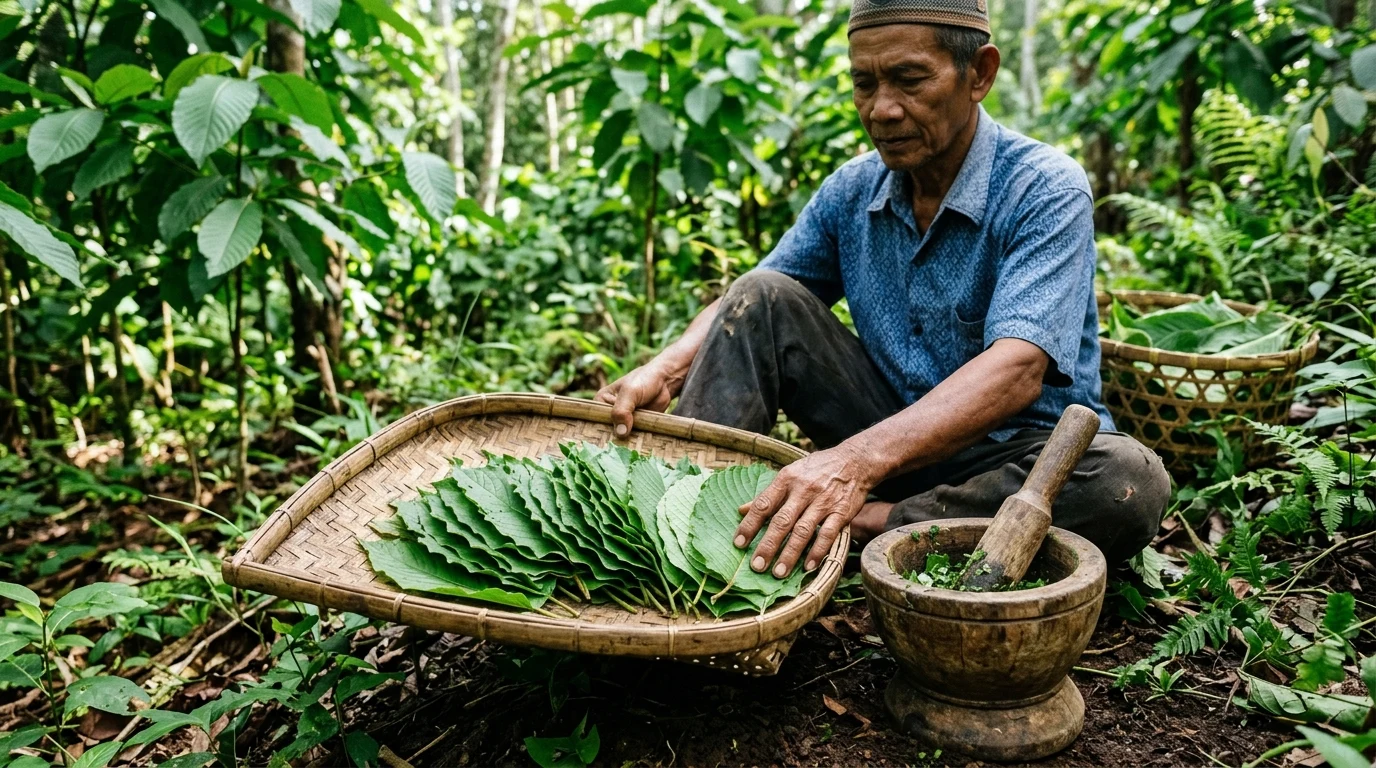

Title: Quit Kratom Cold Turkey – Strategies for Successful Withdrawal
Introduction:
Deciding to quit Kratom, the controversial herbal substance known for its addictive properties, is a significant step towards reclaiming control of one’s life. Withdrawal from Kratom, however, can be a challenging and uncomfortable process, often leading individuals searching for effective strategies to navigate this journey successfully. In this article, we provide you with a comprehensive guide to quitting Kratom cold turkey, offering insightful techniques and proven methods to help you navigate the withdrawal phase with confidence and achieve lasting freedom from this substance. By understanding the nuances of quitting Kratom, you can equip yourself with the necessary tools and insights needed to embark on a successful withdrawal journey.
1. Understanding Kratom Withdrawal: What to Expect and Why Cold Turkey May Be Your Choice
When it comes to quitting kratom, it’s important to know what to expect during the withdrawal process. Understanding the symptoms can help you prepare mentally and emotionally for what lies ahead. While there are different approaches to quitting, many individuals opt for going cold turkey due to its effectiveness and quicker recovery time.
During kratom withdrawal, you may experience a range of physical and psychological symptoms. These can include:
- Insomnia
- Anxiety and restlessness
- Irritability
- Muscle aches and pains
- Nausea and vomiting
- Hot and cold flashes
- Depression
Going cold turkey means abruptly stopping the use of kratom without any tapering or gradual reduction. While this approach may seem challenging, it allows your body to eliminate the substance more rapidly, resulting in a shorter withdrawal period. It’s important to note that for some individuals, medical assistance or a tapering schedule might be necessary to manage severe withdrawal symptoms.

2. Planning Your Journey: Key Strategies for a Successful Quitting Experience
In order to have a successful quitting experience, it is crucial to plan your journey carefully. Here are some key strategies to help you along the way:
- Set a quit date: Choose a specific date to start your journey towards quitting. This will give you a target to work towards and help you mentally prepare for the change.
- Create a support system: Reach out to friends, family, or a support group who can provide encouragement and assistance throughout your quitting process. Having someone to lean on during challenging moments can make a significant difference.
- Identify triggers: Pay attention to the situations, emotions, or activities that typically make you reach for a cigarette. By being aware of your triggers, you can better prepare yourself to face them and develop alternative coping strategies.
- Seek professional help: Consider seeking professional help to increase your chances of success. Options such as nicotine replacement therapy or medications can be beneficial aids on your journey to quitting.
- Prepare for withdrawal symptoms: Understand that you may experience withdrawal symptoms such as irritability, cravings, or mood swings during the quitting process. Prepare yourself mentally and find healthy ways to manage these symptoms, such as exercise or deep breathing techniques.
By following these key strategies, you can set yourself up for a successful quitting experience. Remember, quitting smoking is a journey, and it’s important to be patient and kind to yourself along the way. Stay determined, and soon you’ll enjoy the benefits of a smoke-free life.

3. Navigating the Physical Withdrawal Symptoms: Natural Relief and Self-Care Techniques
When quitting a substance or breaking a habit, physical withdrawal symptoms can often arise, making the journey challenging. However, there are natural relief and self-care techniques that can help ease these symptoms and make the process more manageable.
To navigate through physical withdrawal symptoms, consider the following techniques:
- Hydration: Staying adequately hydrated is essential during this process. Make sure to drink plenty of water throughout the day to keep your body hydrated and support its natural detoxification.
- Healthy diet: Nourishing your body with a well-balanced, nutrient-rich diet can provide the necessary fuel to recover from withdrawal symptoms. Include foods rich in vitamins, minerals, and antioxidants to support your overall well-being.
- Exercise: Engaging in regular physical activity not only helps distract your mind but also releases endorphins, which can reduce discomfort and boost your mood. Incorporate activities you enjoy, such as jogging, yoga, or dancing, into your daily routine.
- Relaxation techniques: Practicing relaxation techniques like deep breathing exercises, meditation, or mindfulness can help calm your body and mind. These techniques can alleviate stress and anxiety commonly experienced during withdrawal.
- Seek support: Surrounding yourself with a supportive network can make a significant difference in managing physical withdrawal symptoms. Consider joining a support group, confiding in a trusted friend, or seeking professional help if needed.
Remember, each individual’s experience with withdrawal may vary, and it’s important to listen to your body and adjust these techniques accordingly. By implementing natural relief and self-care techniques, you can navigate through physical withdrawal symptoms with greater ease.
4. Rewiring the Brain: Managing Emotional and Psychological Challenges during Kratom Detox
Detoxing from kratom can present various emotional and psychological challenges that require careful management. Understanding these challenges and implementing effective strategies can greatly aid individuals in their journey towards recovery. Here are some practical tips to help overcome these obstacles:
- 1. Seek professional support: It is essential to reach out to healthcare professionals who specialize in addiction and mental health. They can provide valuable guidance, therapy, and medication if necessary to manage withdrawal symptoms and emotional distress.
- 2. Establish a support network: Surrounding yourself with understanding and supportive individuals can make a world of difference. Share your experiences and concerns with trusted friends, family members, or support groups. They can offer empathy, encouragement, and practical advice.
- 3. Practice self-care: During the detox process, prioritizing self-care is crucial. Engage in activities that promote relaxation and emotional well-being, such as exercise, meditation, journaling, or pursuing hobbies. Taking care of your physical and mental health will aid in managing cravings and boost your overall mood and resilience.
- 4. Adopt healthy coping mechanisms: It’s common for individuals undergoing kratom detox to experience heightened stress, anxiety, or depression. Instead of turning to substances, develop healthy coping strategies like deep breathing exercises, positive affirmations, or engaging in creative outlets. These techniques help rewire the brain’s response to emotional challenges and promote long-term healing.
By implementing these strategies and seeking professional assistance, individuals can better navigate the emotional and psychological obstacles that arise during kratom detox. Remember, recovery is a unique journey, and with the right support and resources, a brighter and healthier future awaits.

5. Building a Support Network: Relying on Relationships for Strength and Accountability
In today’s fast-paced and demanding world, it’s crucial to recognize the importance of building a support network. By surrounding yourself with trusted individuals, you not only gain valuable emotional support but also create a reliable system of accountability. Here are some key steps to consider when cultivating a strong support network:
- Identify Your Needs: Reflect on what areas of your life require support. It could be personal growth, career development, or maintaining a healthy lifestyle. Recognizing these needs will help you seek out individuals who can fulfill them.
- Reach Out: Don’t hesitate to approach potential network members, such as family, friends, colleagues, or mentors. Share your goals and explain how their involvement can make a difference. Be open and honest about what you expect from them and how they can benefit as well.
- Cultivate Quality Relationships: Surround yourself with people who share your values and are genuinely interested in your well-being. Seek out those who inspire you, challenge you, and offer constructive feedback. Choose individuals who will be dependable and supportive in times of need.
- Maintain Communication: Regularly engage with your support network by checking in, sharing progress, and seeking advice. A consistent and open line of communication will strengthen the bonds within your network and ensure continued support.
- Provide Reciprocal Support: Remember that support networks thrive when everyone involved contributes. Be there for others when they need it, offering your help and insights whenever possible. This reciprocity fosters trust and strengthens relationships.
Building a support network takes time and effort, but the benefits are immeasurable. By cultivating a network of individuals who understand and support your goals, you’ll gain the strength and accountability necessary to overcome challenges and achieve success.
6. Creating a Healthy Lifestyle: Holistic Approaches to Enhance Kratom Withdrawal
For individuals seeking to overcome kratom withdrawal, adopting a holistic approach to creating a healthy lifestyle can be immensely beneficial. By addressing the physical, mental, and emotional aspects of withdrawal, one can enhance the recovery process and promote overall well-being.
Here are some key holistic approaches that can aid in kratom withdrawal:
- 1. Nutrition: Consuming a balanced diet rich in vitamins, minerals, and essential nutrients can support the body’s healing process. Include plenty of fruits, vegetables, whole grains, and lean proteins in your meals. Avoid processed foods, caffeine, and sugary treats as they may exacerbate withdrawal symptoms.
- 2. Exercise: Engaging in regular physical activity not only improves overall health but also helps reduce the intensity of withdrawal symptoms. Incorporate activities such as brisk walking, yoga, or swimming into your routine. Exercise releases endorphins, which can elevate mood and provide a natural sense of well-being.
- 3. Mindfulness: Practicing mindfulness techniques like meditation or deep breathing exercises can help alleviate anxiety, restlessness, and cravings associated with kratom withdrawal. These techniques promote relaxation, reduce stress levels, and foster self-awareness, making the recovery process more manageable.
By integrating these holistic approaches into your daily routine, you can create a healthier lifestyle that supports kratom withdrawal. Remember to consult with a healthcare professional or addiction specialist for personalized guidance and support throughout your journey towards recovery.
7. Coping with Cravings: Expert Tips to Overcome the Temptation for Relapse
Overcoming cravings during recovery is a crucial step towards maintaining sobriety. If you find yourself facing intense cravings, don’t worry – you are not alone. Here are some expert tips that can help you resist the temptation and stay on track towards a healthier, addiction-free life.
Understanding the Nature of Cravings:
- Cravings are temporary: Remember that cravings usually last up to 20 minutes, but they can feel overwhelming in the moment.
- Identify triggers: Take note of people, places, or situations that can trigger your cravings. Avoiding these triggers can be a key strategy in managing the intensity of cravings.
- Stay connected: Reach out to your support network, such as friends, family, or support groups, when you experience cravings. Sharing your feelings can help alleviate their intensity.
Techniques to Cope with Cravings:
- Practice deep breathing exercises: Deep breaths can help calm your mind and body, reducing the intensity of cravings.
- Distract yourself: Engage in activities that divert your attention away from cravings, such as reading a book, going for a walk, or listening to music.
- Use positive self-talk: Remind yourself of the reasons why you chose to overcome your addiction and the progress you’ve made so far. Focus on your determination and resilience.
- Seek professional help: If cravings persist or become unmanageable, consult a professional who can provide expert guidance tailored to your specific needs.
Remember, overcoming cravings is a skill that can be mastered over time. By practicing these techniques and seeking support, you have the power to overcome temptation and continue your journey towards a healthier and happier life.
8. Celebrating Victories: Milestones and Rewards That Encourage Quitting Kratom
When quitting kratom, it’s important to acknowledge and celebrate every milestone along the journey. By recognizing these victories and rewarding yourself, you’ll find encouragement and motivation to keep going. Here are some ideas for milestones and rewards that can help you on your path to quitting:
- First day without kratom: This is a significant milestone that deserves recognition. Treat yourself to something you enjoy, like a movie night, a favorite meal, or a relaxing bath.
- One week without kratom: Congratulations on making it through the first week! Consider rewarding yourself with a small gift or indulging in a hobby or activity that brings you joy.
- One month without kratom: This is a major achievement worth celebrating. Plan a special outing, treat yourself to a day trip, or pamper yourself with a spa treatment to acknowledge your progress.
Remember, the key is to find rewards that are meaningful to you and align with your personal interests and values. These milestones and rewards can serve as positive reinforcement, reminding you of the progress you’ve made on your journey to quitting kratom. By celebrating your victories, you’ll build confidence and stay motivated to embrace a kratom-free life.
9. Beyond Withdrawal: Diffusing Kratom Addiction Triggers and Maintaining Long-Term Recovery
In the journey towards overcoming kratom addiction, it’s vital to go beyond the initial withdrawal phase and address the underlying triggers that led to substance abuse. By understanding and diffusing these triggers, individuals can pave the way for sustainable long-term recovery. Here are key strategies and techniques that can help:
- Identify and avoid high-risk situations: Recognizing environments, people, or situations that may tempt or trigger cravings is crucial. By actively avoiding such triggers, individuals can minimize the chances of relapse and maintain their recovery.
- Develop healthy coping mechanisms: Instead of turning to kratom, it’s important to establish positive and effective methods for dealing with stress, anxiety, and other emotions. Engaging in activities like exercise, meditation, or creative outlets can greatly aid in managing triggers and promoting overall well-being.
- Build a support network: Surrounding oneself with supportive individuals who understand the challenges of addiction recovery can make a significant difference. Whether it’s through joining a support group, seeking counseling, or regularly confiding in trusted friends and family, having a strong support network can provide encouragement and accountability during the recovery journey.
- Maintain a healthy lifestyle: A holistic approach to recovery involves taking care of both the mind and body. Prioritizing good nutrition, regular sleep patterns, and engaging in fulfilling activities can promote physical and emotional well-being. This, in turn, can enhance resilience against triggers and strengthen the overall recovery process.
Remember, overcoming kratom addiction is a journey that extends far beyond withdrawal. By implementing these strategies and staying committed to the recovery process, individuals can diffuse addiction triggers and achieve long-term freedom from the grip of kratom.
Conclusion
In conclusion, quitting kratom cold turkey can be a challenging but achievable process with the right strategies and mindset. By following these proven strategies for successful withdrawal, you can navigate through the discomfort and reclaim control over your life. Remember, everyone’s journey is unique, and it’s crucial to listen to your body and seek professional support if needed. With determination, support, and a clear understanding of the withdrawal symptoms, you can overcome the addiction and embrace a healthier, kratom-free life. Stay committed, stay strong, and trust in yourself.
Get our latest guides, news, and insights highlighted in your Google Search & AI Overviews.