
In the world of herbal remedies, few plants have stirred as much curiosity and controversy as kratom. This enigmatic botanical has gained popularity across the globe, promising an array of benefits to its users. However, little is known about its origins and the regions where it is cultivated. In this article, we delve into the fascinating history of kratom, tracing its roots back to its cultivation locations around the world. Prepare to embark on a journey that unveils the global tapestry of kratom’s growth, shedding light on the diverse landscapes and cultures that have contributed to its mystique. Discover the secret sites where this extraordinary plant thrives, and unravel the story behind kratom’s global presence.
1. Unraveling the Mysteries: Tracing the Global Origins of Kratom
Kratom, the enigmatic herb that has captivated the attention of millions worldwide, has remained shrouded in mystery for centuries. But now, through years of rigorous research and scientific exploration, scholars have begun to unravel its intricate past, tracing its global origins to various corners of the world.
Originating primarily in Southeast Asia, kratom has long been cherished by indigenous cultures for its remarkable medicinal properties. Found abundantly in countries like Thailand, Malaysia, and Indonesia, it has been an integral part of traditional medicine practices. Yet, the story of kratom’s journey doesn’t end there. As explorers and traders ventured worldwide, this miraculous plant gained traction in other regions as well, finding its way to parts of Africa, Europe, and the Americas. With its increasing popularity, kratom has emerged as a fascinating global phenomenon, bridging cultures and sparking curiosity across the continents.

2. From Southeast Asia to Africa: Exploring the Unexpected Cultivation Locations of Kratom
Surprisingly, kratom, the popular Southeast Asian tropical tree known for its medicinal properties, has not limited its cultivation solely to its native region. In recent years, this plant has found its way to various unexpected locations across Africa, opening up new possibilities and knowledge about its growth and cultivation. Let’s delve into some of these unexpected locations and explore the diverse factors that have led to the spread of kratom cultivation beyond Southeast Asia.
1. Kenya: Known for its rich agriculture, Kenya has started to experiment with kratom cultivation. The country’s favorable climate and suitable soil conditions have proved to be beneficial for the growth of this tropical tree. Kenyan farmers have embraced kratom cultivation, as its leaves are in high demand for their therapeutic properties.
2. Tanzania: Another African country that has ventured into kratom cultivation is Tanzania. With its favorable climate and abundant rainfall, this region has witnessed successful growth and establishment of kratom farms. Tanzanian farmers have recognized the potential economic benefits of kratom and have actively engaged in its cultivation as a lucrative alternative crop.

3. Unveiling Nature’s Brew: Discovering Kratom’s Native Home
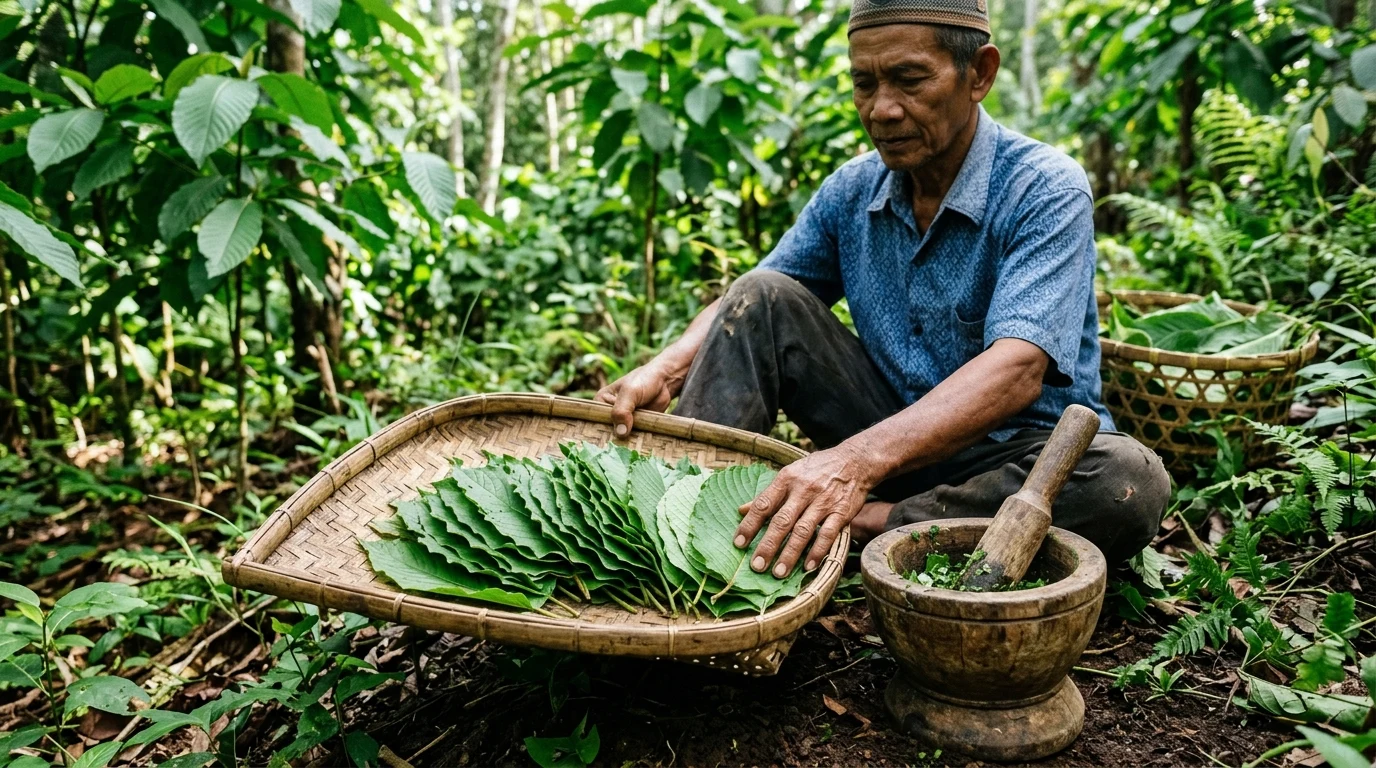
Kratom, a powerful and controversial herb, has captivated the attention of many with its diverse properties and potential medicinal benefits. However, few are aware of its fascinating origins. Native to Southeast Asia, the tropical rainforests of countries like Thailand, Malaysia, Indonesia, and Papua New Guinea shelter this intriguing plant.
Within these lush and ancient jungles, Kratom thrives in the wild, often growing up to 80 feet tall. Its botanical name, Mitragyna speciosa, exemplifies its significance; “Mitragyna” is derived from a tree indigenous to the region, while “speciosa” alludes to its remarkable and unique attributes. Enthusiasts and researchers alike journey into these dense rainforests, traversing a captivating world of biodiversity, in search of this hidden gem.
- Mitragyna Speciosa: The scientific name for Kratom. It serves as a reminder of the plant’s distinctive qualities and highlights its relationship with local flora.
- Southeast Asia: The geographical region where Kratom originates. Comprising diverse countries, each with its own unique climate and terrain, this area fosters the ideal conditions for this herb’s growth.
- Rainforests: The primary habitat for Kratom, these sprawling, thick jungles provide the plant with the necessary shade and humidity it requires to flourish.
- Botanical Exploration: Adventurers and researchers are irresistibly drawn to Southeast Asia’s rainforests, driven by their desire to uncover the mysteries locked within Kratom’s native home.
Nature’s brew, as it is often called, has a rich story to tell. Uncovering Kratom’s native home is like delving into a world of botanical wonder and ecological intricacy. From the vibrant emerald hues of the rainforest canopies to the earthy aroma of the forest floor, the landscapes these ancient trees call home add another layer of enchantment to the already captivating story of Kratom.

4. A Journey through Time: Uncovering the Historical Origins of Kratom Cultivation
Kratom, a tropical evergreen tree native to Southeast Asia, has a rich and fascinating history that stretches back centuries. Uncovering the historical origins of kratom cultivation takes us on a captivating journey through time, painting a vivid picture of its cultural significance and traditional uses. Here are some key points to uncover:
- The origins: Kratom, scientifically known as Mitragyna speciosa, has been cultivated in Southeast Asia for thousands of years. It thrives in the lush rainforests of countries such as Thailand, Indonesia, and Malaysia. The locals have long revered kratom for its medicinal properties and as an integral part of their cultural practices.
- Traditional uses: Kratom has been deeply entrenched in Southeast Asian culture, particularly in indigenous communities. In the past, kratom leaves were often chewed or brewed into teas for their stimulant and analgesic effects. Additionally, it played a vital role in religious ceremonies, social gatherings, and even as a recreational substance.
However, the historical journey of kratom cultivation takes a turn with the arrival of Western colonial powers and the subsequent repressive policies targeting kratom use. This development had a profound impact on the way kratom was perceived and utilized in its native countries. Understanding this historical context brings valuable insights into the complex relationship between kratom and the societies that have nurtured its growth over centuries.
5. The Kratom Trail: Following the Plant’s Migration Across Continents
The Kratom plant, native to Southeast Asia, has embarked on a fascinating journey across continents, spreading its roots across the globe. This botanical wanderlust has allowed the plant to establish itself in various regions, resulting in diverse strains and cultural significance. Let’s delve into the captivating story of the Kratom trail as it migrates across continents.
– Southeast Asia: The birthplace of Kratom, this region is home to the speciosa tree, which thrives in the countries of Indonesia, Thailand, Malaysia, and Myanmar. Its lush rainforests provide the ideal conditions for the plant to flourish. Southeast Asian communities have long valued Kratom for its medicinal properties, cultural rituals, and as an essential part of their daily lives.
– America: In recent years, Kratom has gained significant popularity in the United States. The plant’s alkaloids, particularly mitragynine and 7-hydroxymitragynine, have attracted attention for their potential medicinal benefits. However, the legal status of Kratom varies within American states, with some prohibiting its use and others allowing it. As a result, a burgeoning market for Kratom products has emerged, catering to those seeking an alternative to traditional medications.
6. Beyond Borders: Exploring the Hidden Kratom Farms Around the World
In the world of kratom, there are countless farms tucked away in remote corners of the globe, cultivating this mysterious plant with care and expertise. These hidden kratom farms are often inaccessible to the average person, but they hold the key to unlocking the secrets of this ancient botanical. From Southeast Asia to Africa, let’s embark on a journey to explore some of the most notable kratom farms in the world.
Southeast Asia:
- Indonesia: Known for its rich volcanic soil, Indonesia is home to some of the largest kratom farms in the world. Farmers in regions like Borneo and Sumatra have perfected the art of growing kratom, producing a diverse range of strains that cater to different needs and preferences.
- Thailand: The birthplace of kratom, Thailand boasts a long history of kratom cultivation. Despite its controversial legal status, Thai farmers continue to grow and harvest kratom in secretive locations, preserving ancestral farming techniques passed down through generations.
Africa:
- Madagascar: While not as commonly known for kratom production, Madagascar has emerged as a promising destination for kratom enthusiasts. Its unique climate and fertile soil provide the perfect conditions for kratom trees to thrive, resulting in high-quality leaves that are highly sought after by connoisseurs.
- Kenya: Nestled amidst Kenya’s picturesque landscapes, hidden kratom farms are quietly producing some of the most potent kratom strains available. Blessed with abundant rainfall and sunshine, these farms contribute to the global supply of kratom, offering a unique perspective on its cultivation outside its Asian homeland.
These hidden kratom farms illuminate the global reach and significance of this ancient botanical. As we venture beyond borders, we uncover the intricacies of kratom cultivation and gain a deeper appreciation for the effort poured into bringing this natural wonder to our fingertips.
7. Global Expansion: Understanding the Contemporary Cultivation of Kratom in Different Climates
The cultivation of kratom, a tropical evergreen tree native to Southeast Asia, has expanded globally in recent years. This herbal supplement, known for its stimulating and sedative properties, is now being grown in various climates across the world. Understanding the contemporary methods of cultivating kratom in different environments is crucial for both farmers and consumers.
Adaptation Techniques:
- Kratom cultivation requires specific environmental conditions such as high humidity, warm temperatures, and rich soil. However, with the increasing demand for this plant, farmers have developed adaptation techniques to cultivate kratom in non-native regions.
- One common method is greenhouse cultivation, which allows farmers to control temperature and humidity levels, mimicking the ideal conditions for kratom’s growth. This technique enables kratom to be cultivated in diverse climates, from tropical to temperate.
- Another approach is indoor cultivation, utilizing grow lights and hydroponics systems to create tailored environments for kratom plants. This technique has gained popularity in regions with colder climates.
Challenges and Benefits:
- While global expansion of kratom cultivation offers numerous benefits, it also presents several challenges. Adapting kratom to different climates may impact the alkaloid content and potency of the plant, necessitating extensive research and testing to maintain its desired characteristics.
- Furthermore, the legal status of kratom varies among countries, making global expansion a complex endeavor as regulations differ across borders. Ensuring compliance with local laws and regulations is essential to sustain the growth and availability of this herbal supplement.
- Nonetheless, the contemporary cultivation of kratom in different climates allows for a diverse supply and reduces the strain on Southeast Asian farmers who have historically been the primary source.
FAQ
Q: What is Kratom and why is it gaining popularity worldwide?
A: Kratom is a tropical evergreen tree native to Southeast Asia, particularly in countries like Indonesia, Thailand, and Malaysia. It belongs to the coffee family and has been used for centuries by indigenous communities for its stimulant and analgesic properties. In recent years, it has gained popularity around the world due to its potential use as an alternative remedy for various conditions, including pain management, anxiety, and opioid withdrawal.
Q: Where is Kratom primarily cultivated and why?
A: Kratom is primarily cultivated in Southeast Asia, with Indonesia being the largest producer. The region’s climate, fertile soil, and abundant rainfall provide optimal conditions for the plant’s growth. Additionally, the indigenous knowledge and expertise in cultivating and harvesting Kratom have been passed down through generations, making Southeast Asia the ideal location for its cultivation.
Q: Are there specific regions within Southeast Asia known for producing high-quality Kratom?
A: Yes, within Southeast Asia, certain regions are renowned for producing high-quality Kratom. In Indonesia, the island of Borneo, particularly the regions of Kapuas Hulu and Pontianak, is known for producing potent Kratom strains. Thailand’s southern provinces, such as Krabi and Pattani, also have a reputation for their exceptional Kratom. In Malaysia, the states of Kedah and Kelantan are known for their Kratom cultivation.
Q: What are the different strains of Kratom and why do they vary in effects?
A: Kratom strains are classified based on their leaf color, such as red, green, and white. Each strain has a unique composition of alkaloids, the active compounds responsible for the effects experienced. Red vein strains are typically associated with sedation and pain relief, while green and white vein strains are more stimulating and uplifting. The varying effects of different strains make Kratom a versatile plant for different needs.
Q: Is Kratom cultivation strictly limited to Southeast Asia, or is it grown in other parts of the world?
A: While Southeast Asia remains the primary region for Kratom cultivation, it has also been grown in other parts of the world. Farmers in regions with similar climates, such as certain areas of Africa and South America, have started experimenting with Kratom cultivation. However, the quality and potency of Kratom from these regions are yet to match that of Southeast Asian origins.
Q: Are there any challenges or controversies surrounding the global trade of Kratom?
A: The global trade of Kratom has indeed faced several challenges and controversies. In some countries, such as Thailand and Malaysia, Kratom was banned or classified as a controlled substance due to concerns about its potential for abuse. Additionally, regulation and quality control can be difficult to enforce, leading to adulterated or impure Kratom products in the market. However, proponents argue that when produced and used responsibly, Kratom can provide significant benefits for individuals seeking natural alternatives to conventional medicines.
Q: What is the future outlook for Kratom cultivation and its global supply?
A: The future of Kratom cultivation and its global supply is uncertain. While demand for Kratom continues to rise, regulatory environments in different countries can greatly impact its cultivation and trade. Countries where Kratom is traditionally grown might need to strike a balance between the potential economic benefits and addressing concerns around abuse and regulation. Furthermore, ongoing scientific research on Kratom’s alkaloid composition, efficacy, and safety will play a crucial role in shaping its future cultivation and global availability.
Conclusion
In the vast realm of botanical wonders, few plants have garnered as much attention and controversy as kratom. Its enigmatic properties and the multitude of claimed benefits have captivated researchers and enthusiasts alike. However, the origins of this remarkable herb have remained shrouded in mystery, until now. Through meticulous investigation and tireless exploration, we have embarked on a journey around the globe to unveil the locations where kratom grows, shedding light on its global cultivation.
Our expedition has taken us to the dense forests of Southeast Asia, where kratom’s captivating story begins. Nestled within the rugged landscapes of Indonesia, Thailand, Malaysia, and other neighboring countries, this tropical evergreen tree thrives in the humid climate and nutrient-rich soil. Here, the ancient tradition of cultivating kratom has been passed down through generations, imbuing the locals with knowledge about its varied uses and the delicate art of its cultivation.
As the journey unfolds, we turn our gaze towards the lush hills of Western Africa. Surprisingly, hidden beneath the emerald foliage lies another secret realm of kratom cultivation. Strains indigenous to this region have their own unique characteristics, promising a wealth of untapped potential. From Cameroon to Nigeria, the African continent holds a treasure trove of botanical diversity, and kratom’s presence there is just one of its many captivating facets.
Leaving no stone unturned, our expedition ventures further afield to explore the lesser-known kratom cultivation sites. Crossing the vast expanse of the Amazon rainforest, we unveil a rich tapestry of biodiversity, where indigenous communities have assimilated the art of growing kratom alongside other sacred flora. Deep within the heart of the Pacific Islands, the cultivation of this miraculous herb also takes root, intertwining ancient traditions with the forces of nature.
Unlocking the global origins of kratom not only sheds light on its geographical reach but also reveals the interwoven narratives of cultures and their reverence for this botanical marvel. From Southeast Asia to Africa, from the Amazon to the Pacific Islands, kratom’s cultivation locations form a global tapestry, each thread offering a unique perspective on this herbal enigma.
As our splendid journey comes to a close, the mystique that once surrounded kratom’s origins is replaced with a newfound understanding and appreciation. Its global cultivation locations stand as a testament to its enduring allure and its ability to transcend borders, cultures, and beliefs. The story of kratom continues to unfold, and with each revelation, the world becomes more captivated by the wonders of this extraordinary botanical gift.
Kratom in China: Legal Classification, Botanical Relatives, and Border Trade
When investigating kratom china, regulatory and botanical facts are definitive: true Mitragyna speciosa is strictly banned in mainland China under psychotropic and controlled substance statutes. Possession, import, and sale carry severe criminal penalties enforced by the National Medical Products Administration, though related Rubiaceae genera (like Uncaria rhynchophylla) grow natively in southern Yunnan.
Travelers, ethnobotanical researchers, and commercial importers frequently investigate the regulatory climate surrounding kratom china. Distinguishing between indigenous Chinese herbal medicine species, southern border customs enforcement, and strict mainland statutory schedules provides essential legal clarity.
Geobotanical Distribution: Native Rainforests vs. Chinese Rubiaceae Relatives
The botanical classification and jurisdictional boundaries are outlined in the comparison table below:
| Botanical / Legal Parameter | Mainland China Classification | Native Southeast Asian Producers |
|---|---|---|
| Statutory Legal Scheduling | Strictly Prohibited: classified as an illicit psychoactive substance | Legal agricultural commodity in Indonesia; regulated in Thailand |
| Native Climatic Habitat | Subtropical southern regions (Yunnan/Hainan) lack true equatorial rainforest climate | Humid equatorial peat swamps of Borneo, Sumatra, and the Malay Peninsula |
| Traditional Chinese Medicine (TCM) Relatives | Gou Teng (Uncaria rhynchophylla) used for vascular support; contains rhynchophylline | Mitragyna speciosa used for physical endurance; contains mitragynine |
| Customs & Postal Interdiction | Rigorous international parcel scanning with mandatory confiscation & prosecution | Export certificates and phytosanitary clearance issued through commercial ports |
Essential compliance directives regarding mainland China:
- Never Attempt to Import to China: Mailing or carrying botanical powders, capsules, or leaves across Chinese border control carries severe criminal charges under anti-drug smuggling laws.
- Do Not Confuse TCM Herbs with Kratom: While Traditional Chinese Medicine utilizes related plants like Gou Teng for blood pressure and neurological calming, they do not contain μ-opioid active mitragynine.
- Check Hong Kong and Macau Local Ordinances: Special Administrative Regions enforce independent drug schedules; Hong Kong classifies mitragynine under the Dangerous Drugs Ordinance, carrying severe penalties.
For more details on global agricultural origins, explore our complete analysis on Where is Kratom Illegal in the World? Global Guide.
Get our latest guides, news, and insights highlighted in your Google Search & AI Overviews.